
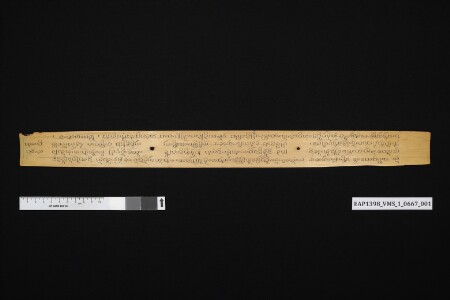
ມະຫາວິບາກ ໝາຍເຖິງ ວິບາກກໍາອັນໃຫຍ່ ກ່າວເຖິງ ເຜດທີ່ກິນຄູດມູດ(ຂີ່ຍ່ຽວ)ເປັນອາຫານ ດ້ວຍຜົນກໍາອັນຊົ່ວ ທີ່ຕົນໄດ້ກະທໍາໄວ້ໃນເວລາເປັນມະນຸດ. ໃນສະໄໝໜຶ່ງ ພະພຸດທະເຈົ້າປະທັບຢູ່ວັດເຊຕະວັນ ເມືອງສາວັດຖີ ຊົງປາລົບເຖິງ ເປສະກາຣະເຜດ ຈຶ່ງຕັດເທສະໜາທໍາດວງນີ້. ມີພິກຂຸຕົນໜຶ່ງໄດ້ພົບເຫັນເຜດຕົນໜຶ່ງທີ່ກິນມູດຄູດເປັນອາຫານ ແລ້ວໄປຂາບທູນພະພຸດທະເຈົ້າ ພະພຸດທະອົງຈຶ່ງຕັດວ່າ ໃນເວລາມີຊີວິດຢູ່ ເປສະກາຣະເຜດຕົນນັ້ນ ໄດ້ເປັນເມຍຂອງນາຍຊ່າງຫູກ ເປັນຄົນຂີ້ຖີ່ ບໍ່ໃຫ້ທານ ເມື່ອເຫັນສາມີທີ່ເປັນຊ່າງຫູກໃຫ້ທານອາຫານແລະຜ້າແພແກ່ພິກຂຸສອງຕົນທີ່ຈໍາວັດສາຢູ່ໃນເຮືອນຂອງຕົນ ກໍ່ປ້ອຍດ່າວ່າ ເຈົ້າຈົ່ງກິນຄູດ, ມູດ, ເລືອດ ແລະໜອງເຊິ່ງເປັນຂອງທີ່ບໍ່ສະອາດທຸກເມື່ອ ແຕ່ເມື່ອຜູ້ເປັນສາມີຕາຍໄປກໍ່ໄປເກີດເປັນເທວະບຸດຢູ່ໃກ້ທາງຫຼວງແຫ່ງໜຶ່ງ. ສ່ວນພັນລະຍານັ້ນ ເມື່ອຕາຍກໍ່ໄປເກີດເປັນເຜດຢູ່ທີ່ກົກໄມ້ຕົ້ນໜຶ່ງໃກ້ເທວະບຸດຕົນເປັນສາມີນັ້ນ. ເຜດຕົນນັ້ນມີອາຫານອັນເປັນຄູດແລະມູດເປັນອາຫານ.
Mahavibak or Mahāvipāka means the great results refers to a peta (hungry ghost) who eats urine and excrement due to the results of her bad deeds conducted during a lifetime. On one occasion, the Buddha was residing at the Jetavana Monastery in Savatthi, the Buddha spoke about a peta named Pesakara and preached this sermon. A monk who saw the peta eating urine and excrement as food informed the Buddha. The Buddha said, during the lifetime Pesakara peata was a weaver’s wife. She was stingy and did not give offerings. When she saw her husband offering food and robes to two monks who stayed at their house during the Buddhist Lent, she cursed and stepped on him that you should eat the excrement, the urine, the blood, and the pus which are unclean at all time. After death, the husband was reborn as a deity living nearby a main road, and the wife was reborn as a peta living nearby him. The peta had the excrement and urine as food.
Extent: 1 palm-leaf manuscript containing 36 leaves.
Size and dimensions of original material: Hight 4.9 cm, width 57.5 cm, depth 1.3 cm.
Condition of original material: Good.
Author(s)/Creator(s): Unidentified.
Scribe(s): Unidentified.
Original institution reference: Manuscript Box no. 4.