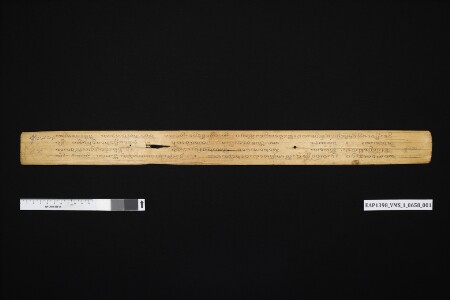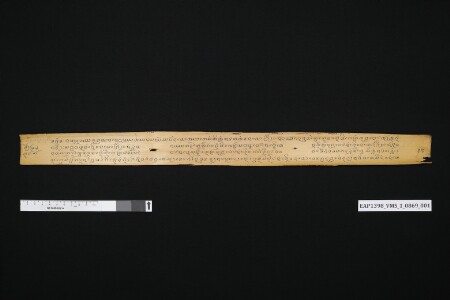
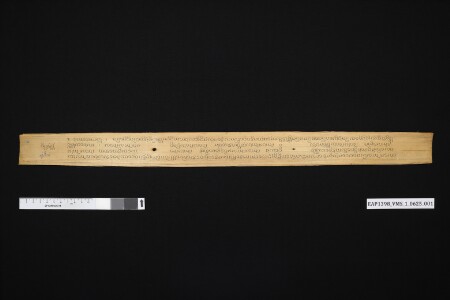
ທິບພະມົນ ເນື້ອໃນເປັນຄາຖາບົດສູດມົນພາສາບາລີ ຂຶ້ນຕົ້ນດ້ວຍ ຂັນທະປະຣິດຕະຄາຖາ ເປັນຄາຖາປ້ອງກັນສັດຮ້າຍທີ່ມີພິດແລະປ້ອງກັນອັນຕະລາຍທັງປວງ ແລ້ວຕໍ່ດ້ວຍ ບົດສູດໄຊນ້ອຍ ຫຼືຈຸນລະໄຊຍະສິດທິມັງຄະລະຄາຖາ ເປັນບົດສູດທີ່ແຕ່ງໂດຍ ພະມະຫາເທບຫຼວງແຫ່ງເມືອງຊຽງດົງຊຽງທອງ (ຫຼວງພະບາງ) ໃນສະຕະວັດທີ່ ໑໔ ໃນສະໄໝຂອງພະເຈົ້າຟ້າງຸ່ມມະຫາຣາດ ພັນລະນາໄຊຊະນະຂອງພະພຸດທະເຈົ້າເໜືອໝູ່ມານທັງປວງ ທັງລ່ວງພົ້ນອໍານາດທ້າວຈະຕຸໂລກກະບານທັງ ໔, ເປັນໄຊຊະນະເໜືອເທວະດາທຸກຊັ້ນຟ້າ ທັງເປັນໄຊຊະນະອະມະນຸດ, ຍັກ, ພູດຜີປີສາດ ແລະອາວຸດທັງຫຼາຍກໍ່ທໍາອັນຕະລາຍບໍ່ໄດ້ ດັ່ງນີ້ເປັນຕົ້ນ. ໄຊນ້ອຍ ນິຍົມສູດໃນພິທີມຸງຄຸນຕ່າງໆ ໃນລາວແລະພາກອີສານຂອງໄທ ໃນສະໄໝກ່ອນ ຈະໃຊ້ສູດເພື່ອຄຸ້ມຄອງປະເທດໃນເວລາເກີດສົງຄາມ ແຕ່ປັດຈຸບັນ ສູດເພື່ອກໍາຈັດປັດເປົ່າພະຍັນຕະລາຍຈາກໄພພິບັດຕ່າງໆ. ຄໍາລົງທ້າຍ: ລານທີ່ ໑໐ ໜ້າ ໑: ພຸດທະສັງກາດ ໒໔໗໕ ປີເຕົ່າສັນ ເດືອນ ໙ ຂື້ນ ໓ ຄໍ່າ ວັນ ໖ ຣິດຈະນາແລ້ວຍາມກອງງາຍ ໝາຍມີ ສົມເດັດພະເຈົ້າສີສະຫ່ວາງວົງສາ ກຸງພະນະຄອນຫລວງພະບາງໄດ້ມີພະຣາຊະສັດທາສ້າງ ຈະຕຸວີກ ຜູກນີ້ ໄວ້ກັບສາສະໜາພະພຸດທະເຈົ້າ ຕາບຕໍ່ເທົ້າ ໕໐໐໐ ວັດສາ ນິບພານະ ປັດຈະໂຍ ໂຫຕຸ ໂນ.
Thipphamon or Dibbamanta (divine spell) with the whole text written in Pali. The text starts with Khandha-paritta khatha is the protective stanza from poisonous animals like snakes and all dangers. The next chapter is Sai noi or Culajayasiddhimangala khatha composed by Phra Maha Theplangka of Xiang dong xiang thong (Lan Xang Luang Prabang) in the 14th century during the reign of King Fa Ngum relates to the Buddha’s victories over the maras, the four heavenly kings, the gods in all the heavens, devils, giants, demons and protects from all weapons, and etc. Sai noi is popular in chanting at the auspicious ceremonies in Laos and the area of Isan of Thailand. In the past, the Sutta was used to chant for preventing the country from enemies at the times of war. At present, it is used to chant for getting rid of dangers by disasters. Colophon: Folio 10 on the recto side: Phutthasangkat (BE) 2475, a tao san year, the third day of the waxing moon of the ninth lunar month, the sixth day of the week (Friday), the writing was accomplished at the time of kòng ngai (between 7.30–9.00 o’clock). The King Sisavangvongsa of the kingdom of Luang Prabang had the religious faith to sponsor the making of this manuscript [entitled] Chatuvik, to support the Teachings of the Buddha to last until the end of 5000 years. May this be a condition for us to reach Nibbāna.
Extent: 1 palm-leaf manuscript containing 10 leaves.
Size and dimensions of original material: Hight 5 cm, width 59.1 cm, depth 0.4 cm.
Condition of original material: Good.
Alternative calendar and date: Lao, BE 2475, a tao san year
Author(s)/Creator(s): Unidentified.
Scribe(s): Unidentified.
Original institution reference: Manuscript Box no. 4.