
ເນື້ອໃນກ່າວເຖິງການພິຈາລະນາຮູບເປັນອາລົມ. ພະພຸດທະເຈົ້າສາມາດນໍາຮ່າງກາຍຂອງມະນຸດມາເປັນເຄື່ອງມືໃນການຈະເລີນກໍາມັດຖານໄດ້ຢ່າງແຍບຄາຍ. ຮ່າງກາຍຂອງມະນຸດນັ້ນມີສ່ວນກ່ຽວຂ້ອງກັບຂັນ ໕. ໃນຂັນ ໕ ປະກອບດ້ວຍ ຮູບ, ເວທະນາ, ສັນຍາ, ສັງຂານແລະວິນຍານ. ພະພຸດທະເຈົ້າຕັດວ່າ ຂັນ ໕ ຄື ພາລະ ແລະບຸກຄົນຄືຜູ້ແບກພາລະ. ການແບກພາລະຈຶ່ງເປັນທຸກໃນໂລກ. ດັງນັ້ນ ການພິຈາລະນາຮູບໃຫ້ເປັນອາລົມກໍ່ຄືການຕະໜັກຮູ້ຮູບຂັນ ອັນໝາຍ ເຖິງສິ່ງທີ່ຈະຕ້ອງເສື່ອມສະຫຼາຍສິ້ນໄປຕາມເຫດຕາມປັດໄຈຕ່າງໆ. ຄໍາລົງທ້າຍ: ລານທີ ໑໖ ໜ້າ ໑-໒: ຣິດຈະນາແລ້ວພະຂະໜານຣັດຕະນະປັນຍາ ເປັນຜູ້ຣິດຈະນາໃຫ້ແລ້ວ ສາທຸ ສາທຸ. ປິດຕະກະ ແມ່ບັກຕັນບ້ານຄອຍ. ໜັງສືແມ່ຕັນບ້ານຄອຍເນີ. ຈຸນລະສັງກາດຣາຊະໄດ້ ໑໒໐໘ ຕົວ ປີກາມົດ (ຮວາຍສະງ້າ) ເດືອນ ໙ ແຮມ ໓ ຄໍ່າ ວັນ ໔ ມື້ເມິ່ງເໝົ້າ ລິດຈະນາແລ້ວຍາມແຖ່ຂຶ້ນສູ່ທ່ຽງ ສັດທາແມ່ບາຕັນເປັນເຄົ້າກັບທັງລູກເຕົ້າແລະບິດາ ຂໍໃຫ້ໄດ້ດັ່ງຄໍາມັກຄໍາປາດຖະໜາຝູງຂ້າ ທັງປູ່ຍ່າແລະຕານາຍກັບມິດສະຫາຍພໍ່າພ້ອມພີ່ນ້ອງຝູງໝູ່ມໍຣະນະກັບທັງມານດາຜູ້ຈຸດຕິຕາຍໄປແລ້ວ ຂໍໃຫ້ໄດ້ຂຶ້ນສູ່ເມືອງສະຫວັນ ນິບພານັງ ປະຣະມັງ ສຸກຂັງ ທຸວັງ ນິດຈັງ.
The content tells about the contemplation of rūpa (corporeality) as the emotion of meditation. The Buddha used the human body as a tool for the development of meditation. The human body is related to the five aggregates. The five aggregates consist of rūpa (corporeality), vedanā (feeling), sannā (perception), saṅkhan (mental formations), and vinnāna (consciousness). The Buddha said that, the five aggregates are the burden; the person is the burden bearer. Carrying the burden is suffering. Thus, the contemplation of rūpa as an emotion is to realise about the five aggregates which means that things must deteriorate due to various factors. Colophon: Folio 16 on the recto and verso sides: Pha Khanan Rattanapannya is the scribe. Sadhu, sadhu. The manuscript of Pitaka by mother of Mr. Tan from the village of Khoi. Chunlasangkat (CS) 1208, a ka mot year, on the third day of the waning moon of the ninth lunar month, the fourth day of the week (Wednesday), a moeng mao day, the writing was accomplished at the time of thae khün su thiang (between 9.00–10.30 o’clock). The initiator, mother of Mr. Tan and her children and father. May our wishes and desires come true. May all our grandsathers, grandmothers, relatives and mother who already died be born in the heaven. Nibbāna paranaṃ sukhaṃ niccaṃ dhuvaṃ (Nibbāna is greatest bliss constantly and certainly).
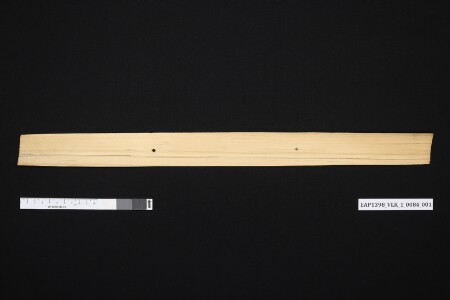
Extent: 1 palm-leaf manuscript containing 17 leaves.
Size and dimensions of original material: Hight 4.5 cm, width 58.5 cm, depth 0.6 cm.
Condition of original material: Fragile.
Alternative calendar and date: Lao, CS 1208, a hwai sanga year
Author(s)/Creator(s): Unidentified.
Scribe(s): Pha Khanan Rattanapannya.
Original institution reference: Manuscript Cabinet No.1.