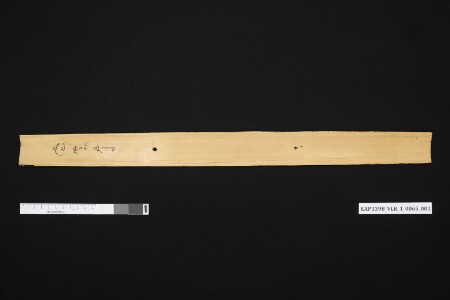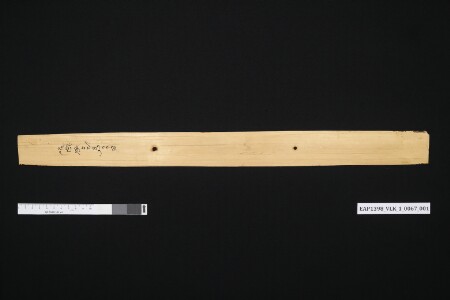
ນິທານທໍາມະບົດ ເລື່ອງ ອະປຸຕຕະກະເສດຖີ (ເສດຖີບໍ່ມີລູກ). ໃນກາລະຄັ້ງໜຶ່ງ ພະເຈົ້າປະເສນທິໂກສົນ ໄດ້ສັ່ງໃຫ້ຂົນຊັບສົມບັດຂອງເສດຖີທີ່ເສຍຊີວິດເປັນຂອງຫຼວງ ເນື່ອງດ້ວຍເສດຖີນັ້ນເປັນຜູ້ບໍ່ມີບຸດ ຫາທາຍາດບໍ່ໄດ້. ແມ້ວ່າຈະເປັນເສຖີແຕ່ກໍ່ເປັນຄົນຕະໜີ່ ບໍ່ເຄີຍທໍາບຸນໃຫ້ທານ. ພະພຸດທະເຈົ້າໄດ້ຕັດເຖິງອະດີດຕະຊາດຂອງເສດຖີນັ້ນວ່າ ວັນໜຶ່ງ ເສດຖີນັ້ນໄດ້ສັ່ງໃຫ້ພັນລະຍາເອົາອາຫານໄປໃສ່ບາດພະປັດເຈກພຸດທະເຈົ້າ. ແຕ່ເມື່ອເຫັນພັນລະຍາເອົາອາຫານດີໆໃສ່ບາດກໍ່ຄິດເສຍໃຈ. ເຂົາຫວັງຍຶດຊັບຂອງນ້ອງຊາຍຕົນ ຈິ່ງໄດ້ຂ້າຫຼານຊາຍຜູ້ຈະສືບມໍລະດົກແລະເມື່ອນ້ອງຊາຍເສຍຊີວິດກໍ່ຢຶດຊັບຂອງນ້ອງຊາຍມາເປັນຂອງຕົນ. ເພາະກຸສົນທີ່ໄດ້ຖວາຍອາຫານບິນທະບາດແກ່ພະປັດເຈກຈຶ່ງໄດ້ເກີດເປັນເສດຖີ, ເພາະນຶກເສຍໃຈທີ່ເຫັນພັນລະຍາເອົາອາຫານດີໃສ່ບາດ ເຮັດໃຫ້ເຂົາບໍ່ຕ້ອງການໃຊ້ຈ່າຍຊັບເພື່ອຕົວເຂົາເອງ. ເພາະເຫດທີ່ໄດ້ຂ້າຫຼານ ຈຶ່ງເຮັດໃຫ້ເຂົາໄປຕົກນະຮົກ. ຄໍາລົງທ້າຍ: ລານທີ ໒໖ ໜ້າ ໑: ສັງກາດໄດ້ ໑໒໓໐ ຕົວ ປີເປິກສີ ເດືອນ ໗ ຂຶ້ນ ໓ ຄໍ່າ ວັນ ໑ ມື້ກັດເຮົ້າ ຣິດຈະນາແລ້ວຍາມກອງງາຍ ໝາຍມີ ພໍ່ຜິວແລະແມ່ຜິວ ບ້ານຫົວໂພນ ມີໃຈໃສສັດທາເປັນອັນຍິ່ງ ຈິ່ງໄດ້ສ້າງ ທໍາມະປັດທະ ໄວ້ກັບສາສະໜາ ຕາບຕໍ່ເທົ້າ ໕ ພັນວັດສາ ນິບພານະ ປັດຈະໂຍ ໂຫນຕຸ ໂນ ສາທຸ ສາທຸ ປະຣະມັງ ສຸກຂັງ.
The Dhammapada story of Aputtakasetthi (a childless rich man). On one occasion, King Pasenadi had to confiscate all a rich man's property after the man’s death due to he did not have any hairs. Though he was very rich, he was very stingy. While he lived, he did not give away anything in charity. The Buddha related about the man in a past existence. In that existence also he was a rich man.One day, the man told his wife to offer some thing to the paccekabuddha. When he saw his wife filled up the alms-bowl with some choice food, he regretted. Coveting his brother's wealth, he had killed his young nephew and had thus wrongfully inherited his brother's wealth on the latter's death. Because the man had offered alms-food to the paccekabuddha he became a rich man in his present life. Because he regretted having offered food to the paccekabuddha he had no wish to spend anything even on himself. Because he had killed his own nephew for the sake of his brother's wealth he had to suffer in niraya. Colophon: Folio 26 on the recto side: Sangkatrasa (CS) 1230, a poek si year, on the third day of the waxing moon of the seventh lunar month, the first day of the week (Sunday), a kat hao day, the writing was accomplished at the time of kòng ngai (between 7.30–9.00 o'clock). Pho Phio and Mae Phio from the village of Huaphon had the most ardent religious faith to sponsor the making of this first manuscript-bundle entitled Dhammapada to support the Teachings of the Buddha to last until the end of 5000 years. Nibbāna paccayo hontu no sādhu sādhu paramaṃ sukhaṃ (May this be a condition for us to reach Nibbāna, amen, amen! The gratest bliss).
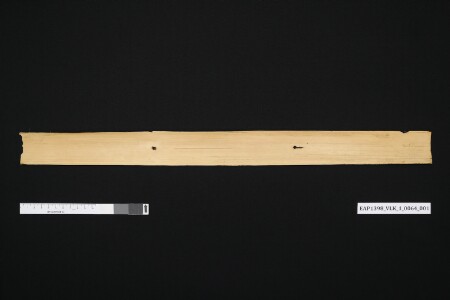
Extent: 1 palm-leaf manuscript containing 27 leaves.
Size and dimensions of original material: Hight 4.8 cm, width 55.7 cm, depth 1.1 cm.
Condition of original material: Fragile.
Alternative calendar and date: Lao, CS 1230, a poek si year
Author(s)/Creator(s): Unidentified.
Scribe(s): Unidentified.
Original institution reference: Manuscript Cabinet No.1.