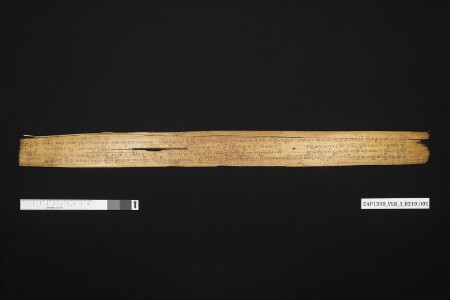

ເນື້ອໃນ ກ່າວເຖິງ ເປສັກກາຣະເຜດ ທີ່ໄດ້ຮັບຄວາທຸກທໍລະມານ ເພາະຜົນກໍາທີ່ຕົນໄດ້ກະທໍາໄວ້ໃນເວລາເປັນມະນຸດ. ໃນສະໄໝໜຶ່ງ ພະຜູ້ມີພະພາກເຈົ້າ ປະທັບຢູ່ວັດເຊຕະວັນ ເມືອງສາວັດຖີ ຊົງປາລົບເຖິງ ເປສັກກາຣະເຜດຜູ້ເຄີຍເປັນເມຍຊ່າງຫູກ. ໃນເວລາມີຊີວິດຢູ່ ນາງເປັນຄົນຕະໜີ່(ຂີ້ຖີ່) ເມື່ອເຫັນຜົວຖວາຍ ອາຫານແລະຜ້າແພແກ່ເຈົ້າພິກຂຸສອງອົງທີ່ຈໍາວັດສາຢູ່ໃນເຮືອນຂອງຕົນ ກໍ່ປ້ອຍດ່າດ້ວຍປະການຕ່າງໆ. ເມື່ອຜູ້ເປັນຜົວຕາຍໄປກໍ່ໄປເກີດເປັນເທວະບຸດຢູ່ໃກ້ທາງຫຼວງແຫ່ງໜຶ່ງ. ສ່ວນເມຍ, ເມື່ອຕາຍແລ້ວ ກໍ່ໄປເກີດເປັນເຜດຢູ່ທີ່ກົກໄມ້ຕົ້ນໜຶ່ງໃກ້ເທວະບຸດຕົນເປັນຜົວນັ້ນ ມີເນື້ອຕົນຮ້ອນເຈັບແສບ ບໍ່ມີອາຫານແລະເສື້ອຜ້າ. ເຜດຕົນນັ້ນ ກໍ່ໄປຂໍອາຫານແລະເສື້ອຜ້ານໍາເທວະບຸດ ເມື່ອໄດ້ມາແລ້ວອາຫານກໍ່ກາຍເປັນອາຈົມ, ເສື້ອຜ້າກໍກາຍເປັນແຜ່ນເຫຼັກແດງ ບໍ່ສາມາດກິນແລະນຸ່ງຫົ່ມໄດ້. ຄໍາລົງທ້າຍ: (໑) ລານທີ ໑໙ ໜ້າ ໑: ຈານໝັ້ນ ໝໍຢາ ເປັນຜູ້ຣິດຈະນາຂຽນໃຫ້ທຸຄໍາອິນແລະຫາມີໄດ້ຮຽນຂຽນໃໝ່ຕົວຄ່ອຍບໍ່ຄອງເຄິຍເນີ. ຄໍາລົງທ້າຍ: (໒) ລານທີ ໒໐ ໜ້າ ໑: ພະພຸດທະສັງກາດ ໒໔໘໕ ຈຸນລະສັງກາດ ໑໓໐໔ ປີເຕົ່າສະງ້າ ປີມ້າ ເດືອນ ຍີ່ ແຮມ ໓ ຄໍ່າ ວັນອາທິດ ມູນລະສັດທາຜູ້ສ້າງ ໝາຍມີ ເຈົ້າຄໍາອິນ ເຈົ້າຄໍາສຸກ ຜົວເມຍ ຢູ່ບ້ານອາຮາມ ພ້ອມກັນມີໃຈໃສສັດທາໃນວໍຣະພຸດທະສາສະໜາເປັນອັນຍິ່ງ ຈຶ່ງໄດ້ພ້ອມກັນສ້າງ ມະຫາວິບາກນ້ອຍຜູກດຽວ ນີ້ທານໄວ້ກັບສາສະໜາ ພະໂຄຕະມະເຈົ້າ ຕາບຕໍ່ເທົ້າ ໕ ພັນພະວັດສາ ຂໍໃຫ້ເດຊະຜະລະໂກສົນສ່ວນບຸນອັນຜູ້ຂ້າຜົວເມຍໄດ້ສ້າງໜັງສືຜູກນີ້ນໍາໄປຮອດໄປເຖິງພໍ່ແມ່ ປູ່ ຍ່າ ຕາ ນາຍ ລູກເຕົ້າ ຫລານເຫລັນສູ່ຄົນເຊິ່ງຈຸດຕິໄປສູ່ບໍຣະໂລກພາຍໜ້ານັ້ນ ຂໍໃຫ້ໄດ້ເຖິງສຸກ ໓ ປະການມີນີຣະພານເປັນທີ່ແລ້ວ ຂໍຢ່າໃຫ້ຄາດແຄ້ວໂດຍດັ່ງຄໍາມັກຄໍາປາດຖະໜາຜູ້ຂ້າ ໒ ຜົວເມຍນີ້ແດ່ກໍ່ຂ້າເທີ້ນ ສາທຸ ສຸດທິນັງ ວັດຕະ ເມ ທານັງ ນິບພານັງ ປາລະມັງ ສຸກຂັງ. ຄໍາລົງທ້າຍ: (໓) ລານທີ ໒໑ ໜ້າ ໑: ຊຽງຄໍາ ສາວວັນດີ ບ້ານໂສມ ມີໃຈໃສສັດທາສ້າງ ມະຫາວິບາກຮອມ ໄວ້ກັບສາສະໜາ ຕາບຕໍ່ເທົ້າ ໕໐໐໐ ວັດສາ ຂໍໃຫ້ຜູ້ຂ້າພົ້ນຈາກສັບພະອົນຕາຍທັງຫລາຍທຸກສິ່ງທຸກປະການແດ່ກໍ່ຂ້າເທີ້ນ ນິບພານັງ ປາຣະມັງ ສຸກຂັງ.
The text tells about Pesakara Peta who was suffering because of her fomer deed while being a human. On one occasion, while residing at the Jetavana Monastery in Savatthi, the Buddha spoke about a peta (hungry ghost) named Pesakara who had ever been a weaver’s wife. When she was a human being, she was stingy. She scolded at her husband while offering food and robes to monks. After death, the husband was born as a deity living nearby a main road, and the wife was born as a ghost living nearby him. She was living without food and clothes and being burned and painful. When she asked for food and clothes from the deity, the food became excrement and the clothes became hot metal sheets. Colophons: (1) Folio 19 on the recto side: Chan Man, the healer is the scribe. [The writing was] for Prince Kham In. I just learned in writing, so, my handwriting is not smooth. (2) Folio 20 on the recto side: In Buddhist Era (BE) 2485, Chulasangkat (CS) 1304, a tao sanga year, the Year of Horse, on the third day of the waning moon of the second lunar month, a Sunday. The initiators, Prince Kham In and his wife Princess Khamsuk from the village of Aham together had the most ardent religious faith in the Buddha’s teachings to sponsor the making of this manuscript [entitled] Mahā Vibāk Nòi, single fascicle, to support the Teachings of Gotama Buddha to last until the end of 5000 years. May the results of this merit derived from our making of this manuscript support our parents, grandparents, children, grandchildren who already died to the other world to reach the three states of happiness with Nirvana as the ultimate goal. May the wishes of two of us not be ignored. Sadhu sudinnaṃ vatta me dānaṃ nibbānaṃ paranaṃ sukhaṃ (May the alms that I have already given is pure be a condition to reach Nibbāna which is the greatest bliss). (3) Folio 21 on the recto side: Xiang Kham and Sao Vandi from the village of Som had the religious faith to sponsor the making of this manuscript [entitled] Mahā Vibāk Nòi, single fascicle, to support the Teachings of Gotama Buddha to last until the end of 5000 years. May we be free from all dangers, definitely. Nibbānaṃ paranaṃ sukhaṃ (Nibbāna is the greatest bliss).
Extent: 1 palm-leaf manuscript containing 21 leaves.
Size and dimensions of original material: Hight 4.7 cm, width 56.7 cm, depth 1 cm.
Condition of original material: Fragile.
Alternative calendar and date: Lao, BE 2485, a tao sanga year
Scribe(s): Chan Man, the healer.
Original institution reference: Manuscript Cabinet No.1.