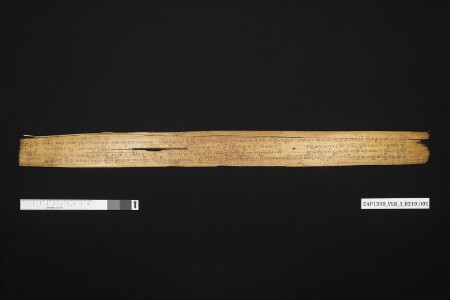

ວິສຸດທິມັກ ແປວ່າ ຫົນທາງແຫ່ງຄວາມບໍລິສຸດ ຫຼືທາງແຫ່ງພະນິບພານ ເປັນພະທຳຄຳສອນອັນນຳທາງໄປສູ່ພະນິບພານ, ຫຼືເວົ້າອີກຢ່າງໜຶ່ງ ກໍ່ຄືເປັນແຜນທີ່ໃນການເດີນທາງຂອງຜູ້ປະຕິບັດໃຫ້ໄປເຖິງຈຸດໝາຍຄືພະນິບພານ. ເນື້ອໃນຂອງໜັງສືຜູກນີ້ ກ່າວເຖິງ ທາດ ໑໘ ປະກອບດ້ວຍ ຈັກຂຸທາດ, ຣູປະທາດ, ຈັກຂຸວິນຍານທາດ. ໂສຕະທາດ, ສັດທາທາດ, ໂສຕະວິນຍານທາດ, ຄານນະທາດ, ຄັນທະທາດ, ຄານະວິນຍານທາດ, ຊິວຫາທາດ, ຣົດສະທາດ, ຊີວຫາວິນຍານທາດ, ກາຍະທາດ, ໂຜດຖັບພະທາດ, ກາຍະວິນຍານທາດ, ມະໂນທາດ, ທຳມະທາດ ແລະ ມະໂນວິນຍານທາດ. ຄໍາລົງທ້າຍ: ລານທີ ໔໕ ໜ້າ ໑: ຈຸນລະສັງກາດຣາຊະໄດ້ ໑໒໙໔ ຕົວ ປີເຕົ່າສັນ ເດືອນ ຈຽງ ຂຶ້ນ ໑໕ ຄໍ່າ ພໍ່າວ່າໄດ້ ວັນ ໔ ຣິດຈະນາແລ້ວຍາມກອງງາຍ ໝາຍມີ ຣັດຕະນະປັນຍາ ເປັນເຄົ້າຈິ່ງໄດ້ສ້າງ ວິສຸດທິມັກ ຜູກນີ້ໄວ້ກັບສາສະໜາ ພະພຸດທະເຈົ້າ ຕາບຕໍ່ເທົ້າ ໕໐໐໐ ວັດສາ ຂໍໃຫ້ຜະລະອັນນີ້ເປັນປັດໄຈຍະແກ່ພະນິບພານຕັດບວງເບັນຈະມານຂາດໄດ້ຈົ່ງລຸພະນິບພານດັ່ງຄໍາໝາຍແດ່ກໍ່ຂ້າເທີ້ນ ອະຣະຫັນຕິ ໂຫມິ ນິບພານະ ປັດຈະໂຍ ໂຫນຕຸ ໂນ ນິດຈັງ ທຸວັງ ທຸວັງ.
Visuddhimagga means the way of purity or the way of Niravana is the teaching that lwads to Nirvana, or in other words, it is a map for the practitioner’s journey to reach the destination that is Nirvana. The text of this manuscript tells about the eighteen elements consisting of eye element, visible-data element, eye-consciousness element, ear element, sound element, ear-consciousness element, nose element, odour element, nose-consciousness element, tongue element, flavor element, tongue-consciousness element, body element, tangible-data element, body-consciousness element, mind element, mental-data element, and mind-consciousness element. Colophon: Folio 45 on the recto side: Chunlasangkatrasa (CS) 1294, a tao set year, on the fifteenth day of the waxing moon of the first lunar month, the fourth day of the week (Wednesday), the writing of this manuscript was accomplished at the time of kòng ngai (between 7.30–9.00 o’clock). The initiator, Rattapannya sponsored the making of this manuscript entitled Visutthimak (Visuddhimagga) to support the Teachings of the Buddha to last until the end of 5000 years. May the results of this merit be a condition for Nibbāna and cut out of the five Mara (devils), and to reach Nibbāna as wished. Arahanti homi nibbāna paccayo hotu no niccaṃ dhuvaṃ dhuvaṃ (Arahantship, may this be a condition for us to reach Nibbāna, constantly and certainly).
Extent: 1 palm-leaf manuscript containing 47 leaves.
Size and dimensions of original material: Hight 4.6 cm, width 57.5 cm, depth 2 cm.
Condition of original material: Fragile.
Alternative calendar and date: Lao, CS 1294, a tao san year
Scribe(s): Unidentified.
Original institution reference: Manuscript Cabinet No.1.