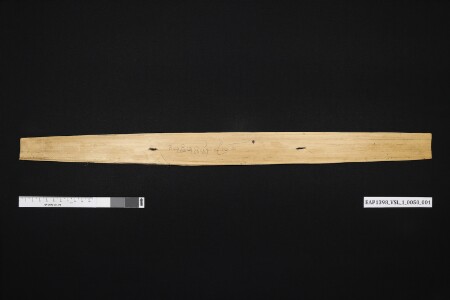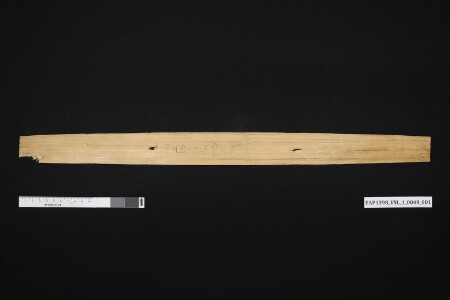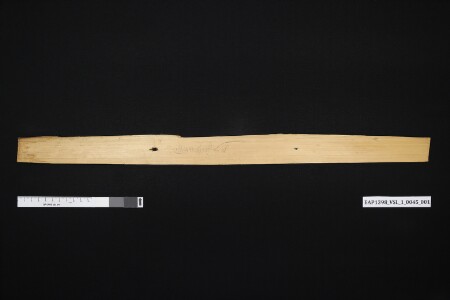

ວິສຸດທິມັກ ໝາຍເຖິງ ທາງແຫ່ງວິສຸດທິ ເປັນຄໍາພີທີ່ອະທິບາຍຫຼັກການປະຕິບັດທີ່ນໍາໄປສູ່ມັກຜົນນິບພານ ໂດຍອາໄສຫຼັກສີນ ສະມາທິ ແລະປັນຍາ. ຕົ້ນສະບັບເປັນພາສາບາລີ ພະພຸດທະໂຄສາຈານຊາວອິນເດຍແຕ່ງຂຶ້ນໃນລັງກາ. ເນື້ອໃນຜູກນີ້ກ່າວເຖິງ ທາດ ຄື ຮູບ ຫຼື ກອງແຫ່ງຮ່າງກາຍຂອງເຮົາທີ່ປະກອບເຂົ້າກັນເປັນມະນຸດ ແລະເປັນສິ່ງທີ່ຖືວ່າເປັນສ່ວນສໍາຄັນຂອງຮ່າງກາຍ ມີ ໔ ປະການຄື: ໑. ປະຖະວີທາດ ໄດ້ແກ່ ທາດດິນ ເປັນທາດທີ່ປະກອບຂຶ້ນເປັນສ່ວນຕ່າງໆຂອງມະນຸດ ທີ່ເຮັດໃຫ້ຮ່າງກາຍມີສິ່ງຢຶດໜ່ຽວເປັນຮູບເປັນຮ່າງຂຶ້ນມາ ມີ ໒໐ ປະການ, ໒. ອາໂປທາດ ໄດ້ແກ່ ທາດນໍ້າ ທີ່ເປັນອົງປະກອບຢູ່ໃນຮ່າງກາຍ ມີ ໑໒ ປະການ, ໓. ວາໂຍທາດ ໄດ້ແກ່ ທາດລົມ ທີ່ພັດໄປມາພາຍໃນຮ່າງກາຍແລະລົມຫາຍໃຈເຂົ້າ ຫາຍໃຈອອກ ມີ ໖ ປະການ, ໔. ເຕໂຊທາດ ໄດ້ແກ່ ທາດໄຟ ທີ່ອຸ່ນພາຍໃນຮ່າງກາຍແລະເປັນທາດທີ່ມີຂະບວນການເຜົາອາຫານໃນຮ່າງກາຍເພື່ອໃຫ້ເກີດພະລັງງານຂຶ້ນມາ ມີ ໔ ປະການ ເປັນຕົ້ນ. ຄໍາລົງທ້າຍ: ລານທີ ໒໗ ໜ້າ ໑: ຈຸນລະສັງກາດ ໑໒໕໗ ຕົວ ປີຮັບມົດ ເດືອນຈຽງ ອອກໃໝ່ ໑໐ ຄໍ່າ ວັນ ໔ ຣິດຈະນາແລ້ວຍາມກອງງາຍ ໝາຍມີ ເຈົ້າຍັງຂະໝ່ອມ ມະຫາອຸປະຣາຊາກົມພະຣາຊະວັງວໍລະພະຣາຊະນີເວດມະຫາສະຖານມຸງຄຸນ ນະຣາທິປັດຕິ ສີສຸວັນນະຫໍຄໍາຝ່າຍໜ້າ ກັບທັງອັກຄະມະເຫສີຍາເປັນເຄົ້າເປັນເຫງົ້າເຈົ້າມູນລະສັດທາ ຈິ່ງໄດ້ພ້ອມກັນສ້າງໜັງສື ວິສຸດທິມັກຄະຜະລະ ໄວ້ກັບວໍລະພຸດທະສາສະໜາ ຕາບຕໍ່ເທົ້າຖ້ວນ ໕໐໐໐ ພະວັດສາ ຂໍໃຫ້ໄດ້ດັ່ງຄໍາມັກຄໍາປາດຖະໜາ ທຸກເຍື່ອງທຸກປະການ ຂໍພະນີຣະພານເປັນທີ່ແລ້ວກໍ່ຂ້າເທີ້ນ. ນິບພານະ ປັດຈະໂຍ ໂຫຕຸ ເມ.
Visuddhimagga refers to the path of putiry is the scripture that explains the principles of practice that lead to Nirvana based on the principles of the morality, meditation and wisdom. The original was written in Pali by an Indian Buddhist teacher, Buddhagosa in Lanka. The text of this fascicle tells about Dhatu (elements) that is the form or pile of our bodies that combined to be a human being and they are considered as important parts of the body. They are four parts as following: 1. Paṭhavī-dhātu- the earth-element is an element that is made up of different parts of the human body consists of 20. 2. Āpo-dhātu- the water-element is part in the body consists of 12. 3. Vāyo-dhātu- the air-element that blows in the body and the breath goes in and out consists of 6, 4. Tejo-dhātu- the fire-element that warms the body and processes food in the body to generate energy consists of 4. Colophon: Folio 27 on the recto side: Chunlasangkat (CS) 1257, a hap mot year, the tenth day of the waxing moon of the first lunar month, the fourth day of the week (Wednesday), the writing was accomplished at the time of kòng ngai (between 7.30–9.00 o’clock). The initiators, the royal viceroy of the department of the front royal golden palace and his queen jointly sponsored the making of this manuscript entitled Visutthimakkhaphala (Visuddhimagga) to support the Teachings of the Buddha to last until the end of 5000 years. May all our wishes and desires come true. May we all enter Nibbāna definitely. May this be a condition for me to reach Nibbāna.
Extent: 1 palm-leaf manuscript containing 29 leaves.
Size and dimensions of original material: Hight 4.5 cm, width 57.7 cm, depth 1 cm.
Condition of original material: Good.
Alternative calendar and date: Lao, CS 1257, a hap mot year
Author(s)/Creator(s): Unidentified.
Scribe(s): Unidentified.
Original institution reference: Manuscript Chest No.1.