
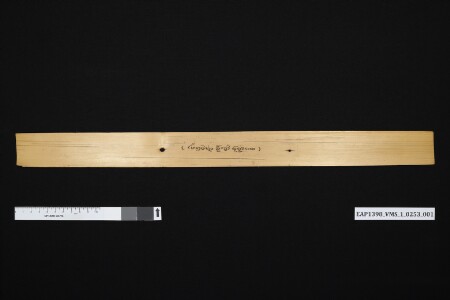
ສອງເຂົ້າພັນກ້ອນ ໝາຍເຖິງ ບຸນທີ່ເກີດຈາກການບູຊາເຂົ້າພັນກ້ອນແກ່ພະພຸດທະຮູບອົງໜຶ່ງ. ໃນສະໄໝໜຶ່ງ ພະພຸດທະເຈົ້າປະທັບຢູ່ທີ່ເຄົ້າໄມ້ນິໂຄດ ຊົງຜາຣົບເຊິ່ງການໃຫ້ເຂົ້າພັນກ້ອນເປັນທານ ຈຶ່ງຊົງສະແດງພະທໍາມະເທສະໜາດວງນີ້. ໃນກາລະເມື່ອລ່ວງແລ້ວ ຍັງມີຊາຍຜູ້ໜຶ່ງຢູ່ເມືອງຫົງສາວະດີ ໄດ້ເຫັນພະພຸດທະຮູບອົງໜຶ່ງ ກໍ່ເກີດສັດທາເຫຼື້ອມໃສໃນພະພຸດທະຮູບອົງນັ້ນ ໄດ້ເອົາເຂົ້າມາປັ້ນເຮັດເປັນກ້ອນ ໄດ້ຈໍານວນພັນກ້ອນ ນໍາໄປບູຊາພະພຸດທະຮູບອົງນັ້ນ ແລ້ວຕັ້ງຄວາມປາດຖະໜາວ່າ ຄັນຜູ້ຂ້າຕາຍໄປແລ້ວແລະເກີດມາໃນຊາດໃດກໍດີ ອັນວ່າຄວາມທຸກໄຮ້ຂີນໃຈ ຂໍຢ່າໄດ້ມີຈັກຊາດເທີ້ນ. ດ້ວຍຜະລະອານິສົງທີ່ໄດ້ບູຊາເຂົ້າພັນກ້ອນນັ້ນ ເມື່ອຊາຍຜູ້ນັ້ນ ສິ້ນຊີວິດໄປແລ້ວ ກໍ່ໄດ້ເກີດເປັນເທວະບຸດຢູ່ໃນສະຫວັນເທວະໂລກ ສະເຫວີຍທິບພະສົມບັດ. ເມື່ອໝົດອາຍຸໄຂໃນສະຫວັນນັ້ນແລ້ວ ກໍ່ຈະໄດ້ລົງມາເກີດເປັນພະຍາຈັກກະວັດຕິຣາດພ້ອມດ້ວຍແກ້ວ ໗ ປະການ. ຄໍາລົງທ້າຍ: ລານທີ່ ໖ ໜ້າ ໑: ພະພຸດທະສັງກາດ ໒໕໑໖ ຕົວປີ ກາບຍີ່ ເດືອນ ໔ ຂຶ້ນ ໑໑ ຄໍ່າ ວັນຈັນ [ລິດຈະນາແລ້ວ]ຍາມກອງງາຍ ໝາຍມີ ສົມເດັດພະສັງຄະຣາດ ທໍາມະຍານະ ມະຫາເຖຣະ ບຸນທັນ ວັດໃໝ່ ສຸວັນນະພູມມາຣາມ ເມືອງຫລວງພະບາງ ໄດ້ມີໃຈໃສສັດທາສ້າງໜັງສືພະທໍາມະ ສອງເຂົ້າພັນກ້ອນ ຜູກນີ້ໄວ້ບູຊາສືບຕໍ່ພະພຸດທະສາສະໜາຕໍ່ເມືອເທົ້າ ໕ ພັນພະວັດສາ ຂໍໃຫ້ຜູ້ຂ້າໄດ້ດັ່ງຄໍາມັກແລະຄວາມປະຖະໜານັ້ນທຸກປະການແດ່ຂໍຂ້າເທີ້ນ. ນິບພານະ ປັດຈະໂຍ ໂຫນຕຸ ອະນາຄະເຕ ກາເລ ສາທຸ ສາທຸ. (ອາຈານພັນຜົນພິບູນ-ເທບພະອັກສອນ ໄດ້ຣິດຈະນາຂຽນຖວາຍ ຖືກຕ້ອງຕາມມູນເດີມແລ້ວ ສາທຸ ໆ).
The merit derived from offering Khao Phankòn (one thousand balls of rice) to worship a Buddha statue. On one occasion, while the Buddha was staying under a tree mentioned about giving one thousand balls. The Buddha then delivered this sermon. Once in the past, there was a man who lived in Hongsavadi city had seen an image of the Buddha. He was faithful in the statue. He made one thousand balls of rice and worshipped the statue. He then set his wish that after my death, in my rebirths, may I be escaped from poverties in any of my existences. Due to the results of the merit from worshipping the Buddha statue with one thousand balls of rice, after death the man was reborn as a devaputta in a heaven with divine properties. After the heaven, he will be reborn as a great emperor with seven kinds of crystals. Colophon: Folio 6 on the recto side: Buddhist Era 2516, a kap nyi year, the eleventh day of the waxing moon of the fourth lunar month, a Monday. [The writing was accomplished] at the time of the kòng ngai (between 7.30–9.00 o’clock). Somdet Pha Sangkhrat (Supreme Patriarch) Thammanyana Maha Thera Bunthan from Vat Mai Suvannaphumaram, Luang Prabang had the religious faith to sponsor the making of this manuscript entitled Sòng Khao Phankòn for the Teachings of the Buddha to last until the end of 5000 years. May all my wishes and desires come true. May this be a condition to reach Nibbāna in the future. Amen, amen! (Achan Phan Phonphibun-Thepphaaksòn made for [the Supreme Patriarch]. It is correct with its original version, Amen!).
Extent: 1 palm-leaf manuscript containing 6 leaves.
Size and dimensions of original material: Hight 4.7 cm, width 51.1 cm, depth 0.3 cm.
Condition of original material: Good.
Alternative calendar and date: Lao, EB 2516, a kap nyi year
Author(s)/Creator(s): Unidentified.
Scribe(s): Unidentified.
Original institution reference: Manuscript Box no. 6.