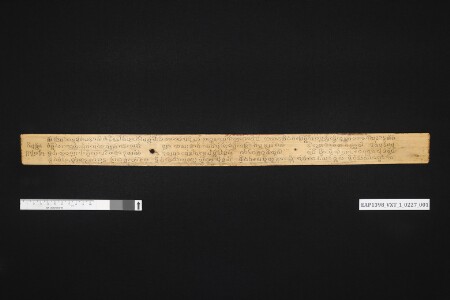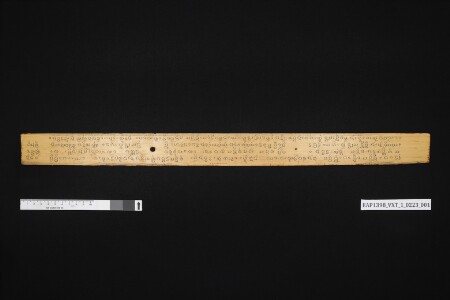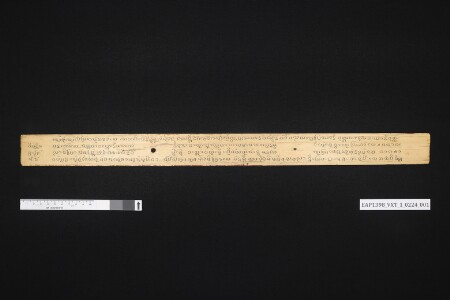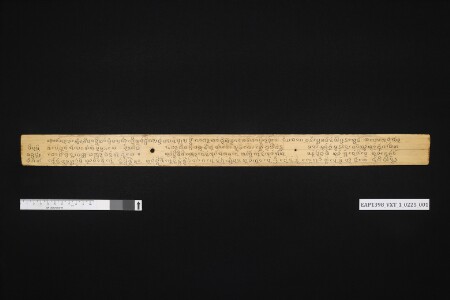

ວິສຸດທິມັກ ໝາຍເຖິງ ທາງແຫ່ງວິສຸດທິ ເປັນຄໍາພີທີ່ອະທິບາຍຫຼັກການປະຕິບັດທີ່ນໍາໄປສູ່ມັກຜົນນິບພານ ໂດຍອາໄສຫຼັກສີນ ສະມາທິ ແລະປັນຍາ. ຕົ້ນສະບັບເປັນພາສາບາລີ ພະພຸດທະໂຄສາຈານຊາວອິນເດຍແຕ່ງຂຶ້ນໃນລັງກາ. ເນື້ອໃນຜູກນີ້ກ່າວເຖິງ ອຸປະກິເລດຫຼືຈິດຕະອຸປະກະເລດ 16 ທໍາເຄື່ອງເສົ້າໝອງ, ສິ່ງທີ່ເຮັດໃຫ້ຈິດຂຸ່ນມົວ ຮັບຄຸນນະທໍາໄດ້ຍາກ ເໝືອນດັ່ງຜ້າເປື້ອນທີ່ຍ້ອມສີບໍ່ໄດ້ດີ ໄດ້ແກ່ ໑. ອະພິດຊາວິສະມະໂລພະ ຄິດເພັ່ງເລັ່ງຢາກໄດ້ ໂລບບໍ່ສົມຄວນ; ໒. ພະຍາບາດ ຄິດຮ້າຍເຂົາ; ໓. ໂກທະ ຄວາມໂກດ; ໔. ອຸປະຫານະ ຄວາມຜູກໂກດ; ໕. ມັກຂະ ຄວາມລົບຫລູ່ຄຸນທ່ານ; ໖. ປະລາສະ ຄວາມຕີສະເໝີ; ໗. ອິດສາ ຄວາມຣິດສະຫຍາ; ໘. ມັດຊະຣິຍະ ຄວາມຕະໜີ່; ໙. ມາຍາ ມານຍາ; ໑໐. ສາເຖີຍຍະ ຄວາມໂອ້ອວດຫຼອກເຂົາ; ໑໑. ຖໍາພະ ຄວາມຫົວດື້; ໑໒. ສາຣໍາພະ ຄວາມແຂ່ງດີ; ໑໓. ມານະ ຄວາມຖືຕົວ; ໑໔. ອະຕິມານະ ຄວາມຖືຕົວວ່າຍິ່ງກວ່າເຂົາ; ໑໕. ມະທະ ຄວາມມົວເມົາ, ແລະ ໑໖. ປະມາທະ ຄວາມປະໝາດ.
Visuddhimagga refers to the path of purity is the scripture that explains the principles of practice that lead to Nirvana based on the principles of the morality, meditation and wisdom. The original was written in Pali by an Indian Buddhist teacher, Buddhagosa in Lanka. The text of this fascicle tells about Upakelesa: mental defilements as following: 1. Abhijjhā-visamalobha: greed and covetousness; 2. Byāpāda: malevolence; 3. Kodha: anger; 4. Upanāha: grude; 5. Makkha: detraction; 6. Palāsa: domineering; 7. Issā: envy; 8. Macchriya: stringiness; 9. Māyā: deceit; 10. Sātheyya: hypocrisy; 11. Thambha: obstinacy; 12. Sārambha: presumption; 13. Māna: conceit; 14. Atimāna: excessive; 15. Mada: vanity; 16. Pamāda: heedlessness.
Extent: 1 palm-leaf manuscript containing 27 leaves.
Size and dimensions of original material: Hight 4.4 cm, width 57.2 cm, depth 1 cm.
Condition of original material: Good.
Author(s)/Creator(s): Buddhaghosa.
Scribe(s): Unidentified.
Original institution reference: Manuscript Cabinet No.01.