
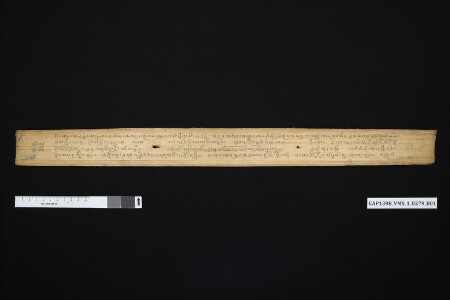
ບົດເທສະໜາ ວ່າດ້ວຍ ອານິສົງຈາກການຟັງແລະການສາທະຍາຍຈຸນລະໄຊຍະມັງຄະລະຄາຖາ ຫຼືໄຊນ້ອຍ. ບົດສູດໄຊນ້ອຍ ຫຼື ຈຸນລະໄຊຍະມຸງຄຸນຄາຖາ ວ່າດ້ວຍ ໄຊຊະນະຂອງພະພຸດທະເຈົ້າເໝືອໝູ່ມານທັງປວງ ທັງລ່ວງພົ້ນອໍານາດຂອງພະຍາອິນ, ພະຍາພົມ, ມານ, ເທວະດາ, ທ້າວຈະຕຸໂລກະບານທັງ ໔, ຄຸດ, ນາກ, ຜູດຜີ, ປີສາດ ໂຮມທັງສິ່ງຊົ່ວຮ້າຍທັງຫຼາຍ ເຊື່ອກັນວ່າ ເປັນບົດສູດທີ່ມີອານຸພາບຫຼາຍ ສາມາດກໍາຈັດປັດເປົ່າເລື່ອງຊົ່ວຮ້າຍແລະພະຍັນຕະລາຍທັງປວງ ທັງແກ່ຕົວຜູ້ສູດສາທະຍາຍ ແລະບ້ານເມືອງຂອງຜູ້ສູດສາທະຍາຍນັ້ນ. ໃນສະໄໝກ່ອນຈະນິຍົມສູດບົດນີ້ ເພື່ອຄຸ້ມຄອງປະເທດໃນຍາມມີເສິກສົງຄາມ ແລະເພື່ອໃຫ້ໄດ້ຮັບໄຊຊະນະຂ້າເສິກສັດຕູ ແຕ່ໃນປັດຈຸບັນ ນິຍົມສູດໃນພິທີມຸງຄຸນຕ່າງໆ ເຊ່ັນ ພິທີຂຶ້ນເຮືອນໃໝ່. ຄໍາລົງທ້າຍ: (໑) ລານທີ່ ໑໐ ໜ້າ ໑: ຊັບໄຊນ້ອຍໝົດນີ້ແລ້ວ ພິກຂຸ ມູນລະປັນຍາ ເປັນຜູ້ຂຽນເນີ. ຄໍາລົງທ້າຍ: (໒) ລານທີ່ ໑໑ ໜ້າ ໑: ພຸດທະສັງກາດຣາຊະໄດ້ ໒໔໗໒ ຕົວ ປີກັດໃສ້ ເດືອນ ໙ ແຮມ ໙ ຄໍ່າ ວັນ ໕ ມື້ຮວາຍສະງ້າ ລິດຈະນາແລ້ວຍາມກອງທ່ຽງມື້ເວັນ ໝາຍມີ ເຈົ້າຈັນທະວັດ ໄດ້ມີພະຣາຊະສັດທາສ້າງຍັງ ຊັບໄຊນ້ອຍ ຜູກນີ້ ໄວ້ກັບພະພຸດທະສາສະໜາພະໂຄຕະມະເຈົ້າຕາບຕໍ່[ເທົ້າ] ໕ ພັນພະວັດສາ ຂໍໃຫ້ຜູ້ຂ້າຫາຍເຄາະຫາຍຄາດພະຍາທິໂລຄາອົນຕາຍທັງມວນ ແລ້ວຂໍໃຫ້ຜູ້ຂ້າມີອາຍຸໝັ້ນຢືນຍາວຕາບຕໍ່ເທົ້າຮ້ອຍຊາວພະວັດສາ ກັບຂໍໃຫ້ກຸສົນຜົນລະນະບຸນໄປຄໍ້າຊູມານດາຜູ້ຂ້າເຊິ່ງເຂົ້າສູ່ບໍຣະໂລກໄປນັ້ນ ແດ່ກໍ່ຂ້າເທີ້ນ ນິບພານັງ ປະຣະມັງ ສຸກຂັງ ໆ.
The preaching on the rewards which derived from listening to and reciting the Culla Jayamangala Gatha or Sai nòi (lit. small victory). The Sai nòi sutta or the Culla Jayamangala Gatha is the verses on the victories of the Buddha over all the devils. It is over the power of Indra, Brahmas, maras, devas, the four heavenly kings, garudas, nagas, ghosts, demons and all dangers. It is believed the most powerful sutta, able to get rid of all devils and dangers to the reciters and the houses and cities. In the past, the sutta was popularly recited in order to protect the country during war, and to win the fighting. At present, it is regularly recited in an auspicious ceremony such as the ceremony for a new house. Colophons: (1) Folio 10 on the recto side: Sap Sainoi is ended here. Phikkhu Munlapannya is the scribe. Colophons: (2) Folio 11 on the recto side: In Buddhist Era (BE) 2472, a kat sai year, the nineth day of the waning moon of the nineth lunar month, the fifth day of the week (Thursday), a hwai sanga day. The writing was accomplised at the time of the kòng thiang (between 10.30 –12.00 o’clock). Chao Chanthavat had the religious faith to sponsor the making of this manuscript [entitled] Sap Sainoi, in order to support the Teachings of Gotama Buddha to last until the end of 5000 years. May I be safe from misfortunes, revenges, diseases and dangers. May I have longevity until I am 120 years old. May this merit support my late mother who already died to the other world. Nibbāna is the greatest bliss.
Extent: 1 palm-leaf manuscript containing 11 leaves.
Size and dimensions of original material: Hight 5.5 cm, width 59.5 cm, depth 0.6 cm.
Condition of original material: Good.
Alternative calendar and date: Lao, BE 2472, a kat sai year
Author(s)/Creator(s): Unidentified.
Scribe(s): Unidentified.
Original institution reference: Manuscript Box no. 6.