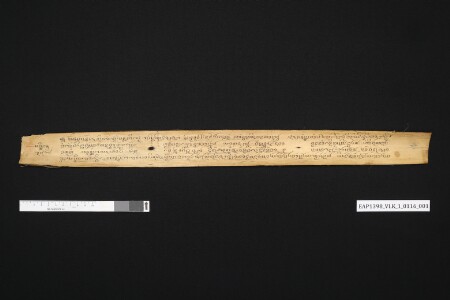

ສະຕິປັດຖານ ເປັນຫລັກແຫ່ງການພາວະນາ ຕາມມະຫາສະຕິປັດຖານນະສູດ ສະຕິປັດຖານ ໝາຍເຖິງ ທໍາອັນເປັນທີ່ຕັ້ງແຫ່ງສະຕິ ແລະເປັນຂໍ້ປະຕິບັດແຫ່ງການຝຶກສະຕິ ເພື່ອຄວາມຮູ້ແຈ້ງໃນກາຍ, ເວທະນາ, ຈິດ ແລະທໍາ ເພື່ອຄວາມເຂົ້າໃຈແລະຮູ້ເທົ່າທັນຕາມຄວາມເປັນຈິງທີ່ເກີດຂຶ້ນຂອງສັບພະສິ່ງທັງຫລາຍທັງປວງ ໂດຍບໍ່ໃຫ້ຈິດຕົກຢູ່ໃຕ້ອໍານາດຂອງກິເລດ ແລະບໍ່ໃຫ້ກິເລດຄອບງໍາ. ການມີສະຕິລະລຶກຮູ້ໃນອິລິຍະບົດຕ່າງໆ ຈະເຮັດໃຫ້ຈິດໃຈສະຫງົບແລະບໍ່ຟຸ້ງຊ່ານ ແລະຈະກໍ່ໃຫ້ເກີດຄວາມພົ້ນທຸກ ດ້ວຍຄວາມເປັນຜູ້ມີສະຕິອັນເປັນໃຫຍ່ ແລະເປັນຜູ້ບໍລິບູນດ້ວຍສະຕິສໍາປະຊັນຍະ. ຄໍາລົງທ້າຍ: ລານທີ ໒໕ ໜ້າ ໑: ຈຸນລະສັງກາດຣາຊະໄດ້ ໑໒໖໕ ຕົວ ປີກາເໝົ້າ ເດືອນ ໙ ຂຶ້ນ ໒ ຄໍ່າ ພໍ່າວ່າໄດ້ ວັນ ໑ ມື້ຮັບເໝົ້າ ຣິດຈະນາແລ້ວຍາມແຖ່ໃກ້ທ່ຽງ ໝາຍມີ ທິດຍາ ແລະສາວຊາວ ຜົວເມຍແລະລູກເຕົ້າສູ່ຄົນ ຈິ່ງໄດ້ມີໃຈໃສສັດທາເປັນອັນຍິ່ງ ຈິ່ງໄດ້ສ້າງ ສັນຕິປັດຖານ ໔ ຜູກນີ້ ໄວ້ກັບສາສະໜາ ພະຕະຖາຄະຕະ ຂໍໃຫ້ໄດ້ດັ່ງຄໍາມັກຄໍາປາດຖະໜາຊູ່ເຍື່ອງຊູ່ປະການກໍ່ຂ້າເທີ້ນ ນິບພານະ ປັດຈະໂຍ ໂຫນຕຸ ໂນ ທຸວັງ ທຸວັງ ນິບພານັງ ປາຣະມັງ ສຸກຂັງ.
Satipatthāna is the important principles of meditation according to the Satipatthāna Sutta. Satipatthāna means “the foundations of mindfulness” is the ways of practice on the training of mindfulness in order to realize in the body, the feelings, the mind and the Dhamma and in order to understand the truth of the things as happened without keeping the mind under the power and control of defilements. The practice of mindfulness in the body movements makes the mind calm and not to be wandering and is the cause of finding peace of mind with having the presence of mind and in full procession of one’s senses. Colophon: Folio 25 on the recto side: In Chunlasangkatrasa (CS) 1265, a ka mao year, on the second day of the waxing moon of the ninth lunar month, the first day of the week (Sunday) a hap mao day, the writing was accomplished at the time of thae kai thiang (between 9.00–10.30 o’clock). Thit Nya and his wife, Sao Sao together with all their children had the ardent religious faith to sponsor the making of these four manuscript-fascicles [entitled] Santipatthan (Satipatthana) to support the Teachings of the Buddha. May our wishes and desires come true. Nibbāna paccayo hontu no dhuvaṃ dhuvaṃ paramaṃ sukhaṃ (May this be a condition for us to reach Nibbāna, certainly, the greatest bliss).
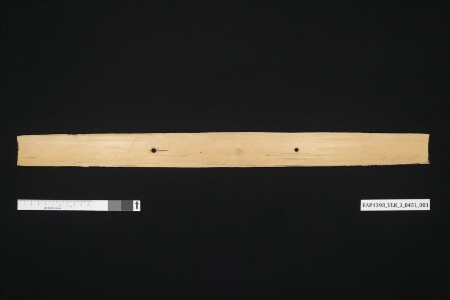
Extent: 1 palm-leaf manuscript containing 28 leaves.
Size and dimensions of original material: Hight 4.9 cm, width 57.6 cm, depth 1.2 cm.
Condition of original material: Good.
Alternative calendar and date: Lao, CS 1265, a ka mao year
Scribe(s): Unidentified.
Original institution reference: Manuscript Cabinet No.1.