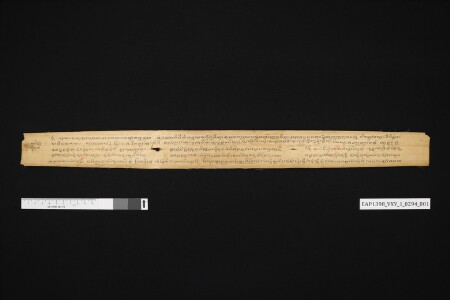
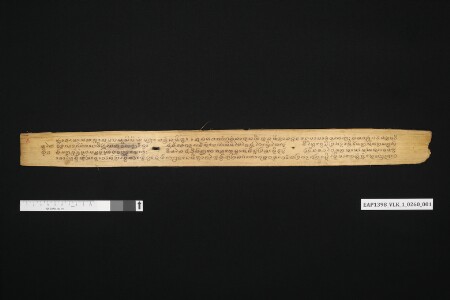
ພະມະໄລ ຫຼື ພະມະຫາເທບພະມະໄລເຖລະເຈົ້າ ອາໄສຢູ່ບ້ານກໍາໂພຊະຄາມ ໃນເຂດຊົນນະບົດ ລັງກາທະວີບ ທ່ານເປັນພະອໍລະຫັນທີ່ມີບຸນຍາທິການແລະມີລິດທານຸພາບ ສາມາດດໍາລົງໄປນະຮົກແລະເຫາະຂຶ້ນໄປສະຫວັນຊັ້ນຟ້າ. ວັນໜຶ່ງ, ໃນຂະນະທີ່ພະເຖລະເຈົ້າ ກໍາລັງຍ່າງບິນດະບາດຢູ່ນັ້ນ ກໍ່ມີຊາຍຍາກຈົນເຂັນໃຈຜູ້ໜຶ່ງໄດ້ນໍາເອົາດອກນີລະມົນ (ດອກບົວ) ໘ ດອກຈາກສະນໍ້າແຫ່ງໜຶ່ງ ມາຖວາຍແກ່ພະເຖລະເຈົ້າ. ເມື່ອພະເຖລະເຈົ້າຮັບເອົາແລ້ວກໍ່ດໍາລິວ່າ ເຮົາຄວນນໍາເອົາດອກບົວນີ້ ໄປບູຊາພະທາດເກດແກ້ວຈຸນລະມະນີ ທີ່ຢູ່ເທິງສະຫວັນຊັ້ນດາວະດຶງ, ຈຶ່ງເຂົ້າຊານສະມາບັດແລ້ວເຫາະຂຶ້ນໄປທັນທີ ຫຼັງຈາກທີ່ໄດ້ເດີນປະທັກຂິນ ບູຊາພະເຈດີແລ້ວກໍ່ໄດ້ພົບກັບພະຍາອິນທີ່ມາສັກກະລະບູຊາພະທາດນັ້ນ ຈຶ່ງໄດ້ສົນທະນາກັນ. ຄໍາລົງທ້າຍ: ລານທີ ໑໔ ໜ້າ ໑: ຈຸນລະສັງກາດຣາຊະໄດ້ ພັນ ໓ ຮ້ອຍ ໖ (ກົງກັບ ຈ.ສ. ໑໒໐໖) ຕົວ ປີກາບສີ ເດືອນ ໘ ແຮມ ໑໒ ຄໍ່າ ວັນ ໗ ມື້ເຕົ່າເສັດ ຣິດຈະນາແລ້ວຍາມແຖ່ໃກ້ຄໍ່າ ໝາຍມີ ຊຽງສາລີ ມີໃຈໃສສັດທາສ້າງ ມະໄລໝື່ນ ໄວ້ກັບສາສະໜາ ພະພຸດທະເຈົ້າ ຕາບຕໍ່ເທົ້າ ໕ ພັນວັດສາ ນິບພານະ ປັດຈະໂຍ ໂຫຕຸ ໂນ ທຸວັງ ທຸວັງ ກໍ່ຂ້າເທີ້ນ.
Pha Malai helps hells. Pha Malai or Mahathepphamalai Thera lived in Kamphosakham village in the suburbs of the contient. He was a merit and powerful monk who could go down to hells and ascend to heavens. One day, while the Venerable was walking for collecting alms, a poor man who brought 8 lotus flowers from a pond to offer to him. When the Venerable accepted the lotus, he thought that, “I should bring these lotuses to worship Ketkaeo Chulamani pagoda in Tāvatiṃsa heaven. After thinking that, he made meditation and went up immediately. After worshiping and he walked around the pagoda, the Venerable also met Indra who came to worship the pagoda as well, so they had a conversation. Colophon: Folio 14 on the recto side: Chunlasangkat one thousand 3 hundred and 6 (corresponding with CS 1306), a kap si year, on the twelfth day of the waning moon of the eighth lunar month, the seventh day of the week (Saturday), a tao san day, the writing was accomplished at the time of thae kai kham (between 15.00–16.30 o’clock). Xiang Sali had the religious faith to sponsor the making of this manuscript [entitled] Malai mün to support the Teachings of the Buddha to last until the end of 5000 years. May [the results of this merit] be a condition for Nirvana, definitely. Nibbāna paccayo hontu no dhuvaṃ dhuvaṃ (May this be a condition for us to reach Nibbāna, certainly and certainly).
Extent: 1 palm-leaf manuscript containing 15 leaves.
Size and dimensions of original material: Hight 5 cm, width 56.7 cm, depth 0.6 cm.
Condition of original material: Fragile.
Alternative calendar and date: Lao, CS 1206, a kap si year
Scribe(s): Unidentified.
Original institution reference: Manuscript Cabinet No.1.