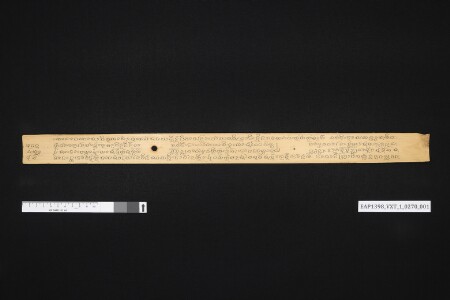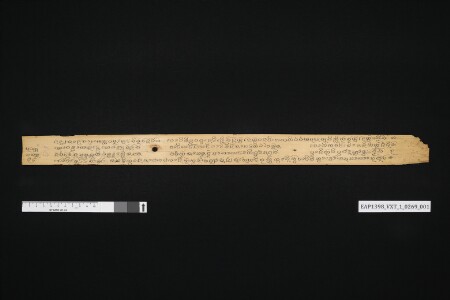

ສຸວັນນະສາມຊາດົກ ເປັນເລື່ອງລາວທີ່ພະໂພທິສັດສະເຫວີຍພະຊາດເປັນພາມຊື່ວ່າ ສຸວັນນະສາມ ເປັນລູກຂອງພາມທຸກຸນແລະນາງປາຣິກາ ທັງສອງເປັນຄົນຕາບອດ ເນື່ອງດ້ວຍປະສົບເຄາະກໍາຈາກຊາດກ່ອນ. ສຸວັນນະສາມຈຶ່ງໄດ້ປົນນິບັດບິດາມານດາຢ່າງດີຍິ່ງ. ວັນໜຶ່ງ ສຸວັນນະສາມຖືກພະເຈົ້າກະບິນລະຍັກ ຜູ້ຄອງເມືອງພາຣານະສີຍິງດ້ວຍລູກສອນອາບຢາພິດ ເພາະຄວາມເຂົ້າໃຈຜິດ ໄດ້ຮັບຄວາມທຸກຂະເວທະນາຢ່າງຍິ່ງ ແຕ່ສຸວັນນະສາມກໍ່ສະແດງຄວາມເມດຕາຕໍ່ຜູ້ທໍາຮ້າຍຕົນ ກ່ອນຈະສິ້ນສະຕິ ໄດ້ທູນຂໍໃຫ້ພະເຈົ້າກະບິນລະຍັກຊ່ອຍດູແລບິດາມານດາແທນ. ພະເຈົ້າກະບິນລະຍັກຊົງເສຍພະໄທ(ເສຍໃຈ)ຫຼາຍ ຈຶ່ງໄປແຈ້ງຂ່າວແກ່ບິດາມານດາແລ້ວພາມາພົບກັບສຸວັນນະສາມ. ດ້ວຍສັດຈະອະທິດຖານຂອງບິດາມານດາ ສຸວັນນະສາມຈຶ່ງຟື້ນຄືນມາ ສ່ວນບິດາມານດາຕາຫາຍເປັນປົກກະຕິ. ສຸວັນນະສາມ ໄດ້ທູນເລົ່າໃຫ້ພະເຈົ້າກະບິນລະຍັກຟັງວ່າ ເປັນເພາະອານິສົງຜົນບຸນໃນການປົນນິບັດລ້ຽງບິດາມານດາ ແລະໄດ້ສະແດງທໍາຖວາຍ ເຮັດໃຫ້ພະເຈົ້າກະບິນລະຍັກເກີດສັດທາໃນສັດຈະທໍາ ເລີກຂ້າສັດຕັດຊີວິດ ບໍາເພັນກຸສົນ ຄອງຣາຊະສົມບັດໂດຍທໍາ. ເລື່ອງນີ້ເນັ້ນໃນເລື່ອງເມດຕາປາຣະມີ. ຄໍາລົງທ້າຍ: (໑) ລານທີ ໒໖ ໜ້າ ໑-໒: ຈຸນລະສັງກາດຣາຊະໄດ້ ໑໒໖໖ ຕົວປີກາບສີ ເດືອນ ໘ ແຮມ ໔ ຄໍ່າ ວັນ ໕ ມື້ຮວາຍສັນ ຍາມກອງງາຍ ໝາຍມີ ມະຫາສັງຄະຊາ ໂພທິປັນຍາ ວັດລ້ອງຄູນ ເປັນເຄົ້າ ຈິ່ງໄດ້ສະແຫວງຫາຍັງທໍາມະອັນນີ້ມາໃຫ້ແກ່ເພັຍຫອມສົມບັດ ຜົວເມຍແລະຣາຊະບຸດຕາບຸດຕີພັນທຸວົງສາພີ່ນ້ອງຊູ່ຄົນໄດ້ສ້າງ ສຸວັນນະສະຫຍາມ ມັດນີ້ ໄວ້ກັບສາສະໜາ ພະພຸດທະເຈົ້າ ຕາບຕໍ່ເທົ້າ ໕ ພັນວັດສາ. ຂໍໃຫ້ບຸນຍາຣາສີອັນນີ້ມາເປັນປັດໄຈອຸບປະນິໄສຄໍ້າຊູຍັງຝູງຂ້າຫລາຍໄປໄຈວ້ໆ. ຂໍໃຫ້ຜູ້ຂ້າໄດ້ຈະຕຸປະຕິສໍາພິທາຍານ ໔໓ ຊະຣະພິນຍານ ໖ ຕິໂສວິຊາ ໓ ອັດຖະວິໂມກຂະທໍາ ໘ ປະການ ອັນມີໃນປັດສິມະພາວິກ ຂໍໃຫ້ຜູ້ຂ້າໄດ້ເຖິງ ອະຣະຫັນຕະ ມັກຄະຍານ ແລະຜະລະຍານໃນສໍານັກກາງຕັກແຫ່ງພະພຸດທະເຈົ້າອົງຊື່ວ່າ ເມດໄຕໂຍ ນິດຈັງ ທຸວັງ ທຸວັງ ປະຣະມັງ ສຸກຂັງ ດ້ວຍບາດຄາຖາວ່າ ອິມິນາ ປຸນຍະເຕເຊນະ ອະຣິຍະເມດໄຕໂຍ ປາປຸນາຕິ ມະມະສັນຕິເກ ປັບພະຊັງ ປາປຸນາຕິ ອະນາຄະເຕກາເລ ວິສາຣັດໂທ ຕິກຂະປັນໂຍ ມະຫາເຕໂຊ ມະຫາປັນໂຍ ມະຫິດທິໂກ ມະຫັບພະໂລ ມະຫານຸພາໂວ ຣັດສະສຸກຂັງ ນຸພຸນຊິຕວາ ໄມຫັງ ນະພຸນຊິຕວາ ສາມິຊັນຕຸ ດັ່ງນີ້.
Suvannasama Jataka has a story that the Bodhisatta took the birth of a Brahmin named Suvannasama, the son of Brahmin Dukul and Parika. They both had been blind, having suffered from the results of the bad dded in a previous life. Suvannasama served his parents very well. One day, he was shot with a poison arrow by King Kabinlyak, the ruler of Varanasi because of misunderstanding, was greatly disressed. But he showed mercy to his offenders. Before losing consciousness, he entrusted the king to take care of his parets instead. The king was very sad. Therefore, he went to inform the parents of Suvannasama and brought them to meet him. With the prayers of his parents, Suvannasama was revived. The parents’ eyes were healed. He told the king that this was because of the merit in caring for his parents and preached the Dhamma to the king. Causing the king to believe in the truth to stop killing animals, to make merit, and to reign the city by virtues. This story focuses on the perfection of loving-kindness. Colophon: Folio 26 on the recto and verso sides: Chunlasangkat (CS) 1266, a kap si year, on the fourth day of the waning moon of the eighth lunar month, the fifth day of the week (Thursday), a hwai san day, [the writing was accomplished] at the time of kòng ngai (between 7.30–9.00 o’clock). The initiator, Maha Sangkhasa Phothipannya from Vat Long Khun looked for this Dhamma for Phia Homsombat and his wife together with all their children, grandchildren and relatives to sponsor the making of this manuscript [entitled] Suvannasayam (Suvannasam) to support the Teachings of the Buddha to last until the end of 5000 years. May the results of this merit be a condition and support for all of us forever. May we attain patisambhidha 4, chalabhinna 6, vijjha 3, atthavimokkha 8. May I attain arahantship, magganna, phalanana at the presence of the Buddha named Metteyyo niccaṃ dhuvaṃ dhuvaṃ paramaṃ sukhaṃ. With the verse, iminā punna tejena ariya metteyyo, pāpunāti, mamasantike pabbajjhaṃ pāpunati, anāgate kāle visaraddho, tikkhapanno, mahātejo, mahāpanno, mahiddiko, mahabbalo, mahānubāvo, rassasukhaṃ nubhunjitva myhaṃ nabhunjitva samijjhantu.
Extent: 1 palm-leaf manuscript containing 27 leaves.
Size and dimensions of original material: Hight 4.8 cm, width 56.5 cm, depth 1 cm.
Condition of original material: Good.
Alternative calendar and date: Lao, CS 1266, a kap si year
Scribe(s): Unidentified.
Original institution reference: Manuscript Cabinet No.1.