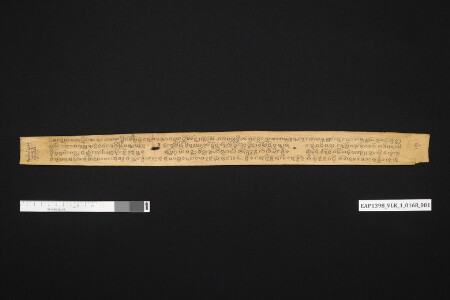
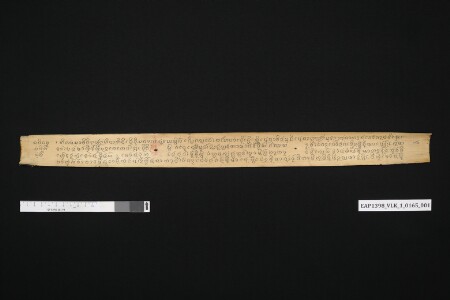
ພະອະພິທໍາ ວ່າດ້ວຍເລື່ອງ ທາດ ຄື ຮູບ ຫຼືກອງແຫ່ງຮ່າງກາຍຂອງເຮົາທີ່ປະກອບເຂົ້າກັນເປັນມະນຸດ ແລະເປັນສິ່ງທີ່ຖືວ່າເປັນສ່ວນສໍາຄັນຂອງຮ່າງກາຍ ມີ ໔ ປະການຄື: ໑. ປະຖະວີທາດ ໄດ້ແກ່ ທາດດິນ ເປັນທາດທີ່ປະກອບຂຶ້ນເປັນສ່ວນຕ່າງໆຂອງມະນຸດ ທີ່ເຮັດໃຫ້ຮ່າງກາຍມີສິ່ງຢຶດໜ່ຽວເປັນຮູບເປັນຮ່າງຂຶ້ນມາ ມີ ໒໐ ປະການ, ໒. ອາໂປທາດ ໄດ້ແກ່ ທາດນໍ້າ ທີ່ເປັນອົງປະກອບຢູ່ໃນຮ່າງກາຍ ມີ ໑໒ ປະການ, ໓. ວາໂຍທາດ ໄດ້ແກ່ ທາດລົມ ທີ່ພັດໄປມາພາຍໃນຮ່າງກາຍແລະລົມຫາຍໃຈເຂົ້າ ຫາຍໃຈອອກ ມີ ໖ ປະການ, ໔. ເຕໂຊທາດ ໄດ້ແກ່ ທາດໄຟ ທີ່ອຸ່ນພາຍໃນຮ່າງກາຍແລະເປັນທາດທີ່ມີຂະບວນການເຜົາອາຫານໃນຮ່າງກາຍເພື່ອໃຫ້ເກີດພະລັງງານຂຶ້ນມາ ມີ ໔ ປະການ ເປັນຕົ້ນ. ຄໍາລົງທ້າຍ: ລານທີ ໒໕ ໜ້າ ໑: ສັງກາດ ໑໒໐໙ ຕົວ ປີເມິ່ງມົດ ເດືອນ ໙ ຂຶ້ນ ໘ ຄໍ່າ ວັນ ໕ ມື້ຮວາຍເສັດ ຣິດຈະນາແລ້ວຍາມແຖ່ໃກ້ທ່ຽງວັນ ໝາຍມີ ພະຍາຫຼວງສີມະຫານາມແລະພະຣິຍາ ບຸດຕະນັດຕາພັນທຸວົງສາ ພ້ອມກັນມີໃຈໃສສັດທາສ້າງ ອະພິທໍາມາ ໄວ້ກັບສາສະໜາ ຕາບຕໍ່ເທົ້າ ໕໐໐໐ ວັດສາ. ນິບພານະ ປັດຈະໂຍ ໂຫຕຸ ໂນ ທຸວັງ ທຸວັງ.
The Abhidhamma on the elements is the form or pile of our bodies that combined to be a human being and they are considered as important parts of the body. They are four parts as following: 1. Paṭhavī-dhātu- the earth-element is an element that is made up of different parts of the human body consists of 20. 2. Āpo-dhātu- the water-element is part in the body consists of 12. 3. Vāyo-dhātu- the air-element that blows in the body and the breath goes in and out consists of 6, 4. Tejo-dhātu- the fire-element that warms the body and processes food in the body to generate energy consists of 4. Colophon: Folio 25 on the recto side: Sangkat (CS) 1209, a moeng mot year, on the eighth day of the waxing moon of the ninth lunar month, the fifth day of the week (Thursday), a hwai set day, the writing was accomplished at the time of thae kai thiang van (between 9.00–10.30 o’clock). Phanya Luang Si Mahanam and his wife together with all their children, grandchildren and relatives had the religious faith to sponsor the making of this manuscript [entitled] Abhidhamma to support the Teachings of Gotama Buddha to last until the end of 5000 years. Nibbāna paccayo hotu no dhuvaṃ dhuvaṃ (May this be a condition for us to reach Nibbāna, certainly).
Extent: 1 palm-leaf manuscript containing 26 leaves.
Size and dimensions of original material: Hight 4.7 cm, width 55.2 cm, depth 1 cm.
Condition of original material: Fragile.
Alternative calendar and date: Lao, CS 1209, a moeng mot year
Scribe(s): Unidentified.
Original institution reference: Manuscript Cabinet No.1.