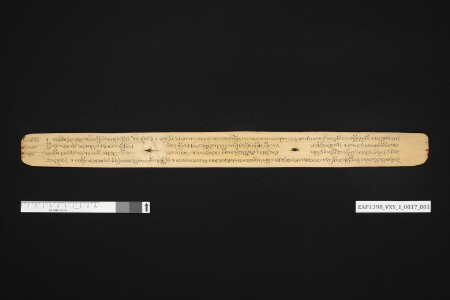

ເນື້ອໃນກ່າວເຖິງ ທີ່ມາຂອງຜ້າຈີວອນຂອງພະພິກຂຸ. ໃນສະໄໝໜຶ່ງພະຜູ້ມີພະພາກເຈົ້າປະທັບຢູ່ວັດເວລຸວັນ ມະຫາວິຫານ ນະຄອນຣາຊະຄຶ ໃນຄັ້ງນັ້ນພະພຸດທະອົງຊົງສະເດັດດໍາເນີນໄປໃນເຂດຊົນນະບົດ ແລະຊົງທອດພະເນດເຫັນນາຂອງຊາວມະຄົດທີ່ເປັນຄັນນາສີ່ຫລ່ຽມ ຈຶ່ງຕັດສັ່ງໃຫ້ພະອານົນອອກແບບຈີວອນຕາມລັກສະນະຂອງຄັນນາ. ຕໍ່ມາ ມີຈີວອນຫລາຍປະເພດເກີດຂຶ້ນ ພິກຂຸທັງຫຼາຍເກີດຄວາມສົງໄສ ບໍ່ແນ່ໃຈວ່າ ຈີວອນຊະນິດໃດຊົງອະນຸຍາດ ຈຶ່ງກາບທູນຖາມຕໍ່ພະສາດສະດາ ພະພຸດທະອົງຊົງອະນຸຍາດໃຫ້ພິກຂຸສາມາດໃຊ້ຈີວອນ ໖ ປະເພດຄື: ຜ້າຈີວອນທີ່ເຮັດດ້ວຍເປືອກໄມ້, ຜ້າຈີວອນທີ່ເຮັດດ້ວຍຝ້າຍ, ຜ້າຈີວອນທີ່ເຮັດດ້ວຍເສັ້ນໄໝ, ຜ້າຈີວອນທີ່ເຮັດດ້ວຍຂົນສັດ, ຜ້າຈີວອນທີ່ເຮັດດ້ວຍເປືອກປ່ານ ແລະຜ້າຈີວອນທີ່ເຮັດດ້ວຍຂອງປະສົມເຈືອກັນເຊັ່ນ ຜ້າທັງ ໕ ຢ່າງ ຂ້າງຕົ້ນ ຫຼື ຢ່າງໃດຢ່າງໜຶ່ງຮ່ວມກັນ.
The content tells the origin of the robes of monks. On one occasion, the Buddha was present at the Veluvana monastery in Rajagaha. At the time, the Buddha went to the countryside and saw the rice paddies of the Magadha people in square. So, the Buddha advised Venerable Ananda to design a robe according to the character of the rice paddies. Later, there were many types of robes, monks were in doubt, not sure what type of robes was allowed. Thus, they asked the Buddha. The Buddha allowed monks to use 6 types of robes, namely: robes made of the tree bark, of cotton, of silk, of wool, of hemp bark, and of mixed materials such as all 5 fabrics above or something together.
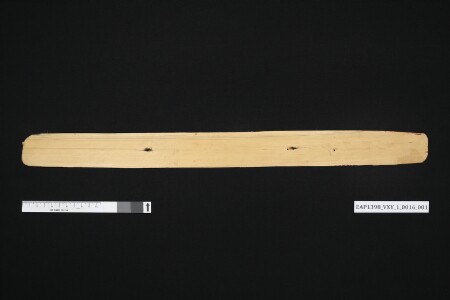
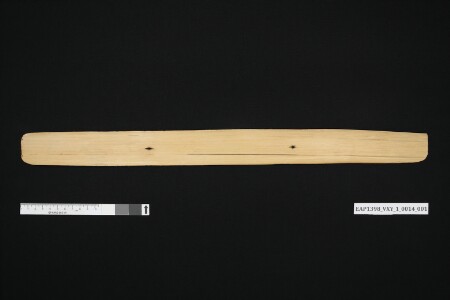
Extent: 1 palm-leaf manuscript containing 26 leaves.
Size and dimensions of original material: Hight 4.6 cm, width 53.4 cm, depth 1 cm.
Condition of original material: Good.
Author(s)/Creator(s): Unidentified.
Scribe(s): Unidentified.
Original institution reference: Manuscript Cabinet No.1.