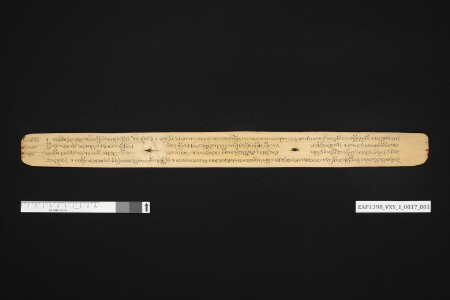
ເນື້ອໃນກ່າວເຖິງ ທີ່ມາຂອງຜ້າຈີວອນຂອງພະພິກຂຸ. ໃນສະໄໝໜຶ່ງພະຜູ້ມີພະພາກເຈົ້າປະທັບຢູ່ວັດເວລຸວັນ ມະຫາວິຫານ ນະຄອນຣາຊະຄຶ ໃນຄັ້ງນັ້ນພະພຸດທະອົງຊົງສະເດັດດໍາເນີນໄປໃນເຂດຊົນນະບົດ ແລະຊົງທອດພະເນດເຫັນນາຂອງຊາວມະຄົດທີ່ເປັນຄັນນາສີ່ຫລ່ຽມ ຈຶ່ງຕັດສັ່ງໃຫ້ພະອານົນອອກແບບຈີວອນຕາມລັກສະນະຂອງຄັນນາ. ຕໍ່ມາ ມີຈີວອນຫລາຍປະເພດເກີດຂຶ້ນ ພິກຂຸທັງຫຼາຍເກີດຄວາມສົງໄສ ບໍ່ແນ່ໃຈວ່າ ຈີວອນຊະນິດໃດຊົງອະນຸຍາດ ຈຶ່ງກາບທູນຖາມຕໍ່ພະສາດສະດາ ພະພຸດທະອົງຊົງອະນຸຍາດໃຫ້ພິກຂຸສາມາດໃຊ້ຈີວອນ ໖ ປະເພດຄື: ຜ້າຈີວອນທີ່ເຮັດດ້ວຍເປືອກໄມ້, ຜ້າຈີວອນທີ່ເຮັດດ້ວຍຝ້າຍ, ຜ້າຈີວອນທີ່ເຮັດດ້ວຍເສັ້ນໄໝ, ຜ້າຈີວອນທີ່ເຮັດດ້ວຍຂົນສັດ, ຜ້າຈີວອນທີ່ເຮັດດ້ວຍເປືອກປ່ານ ແລະຜ້າຈີວອນທີ່ເຮັດດ້ວຍຂອງປະສົມເຈືອກັນເຊັ່ນ ຜ້າທັງ ໕ ຢ່າງ ຂ້າງຕົ້ນ ຫຼື ຢ່າງໃດຢ່າງໜຶ່ງຮ່ວມກັນ. ຄໍາລົງທ້າຍ: ລານທີ ໒໖ ໜ້າ ໑: ສັງກາດໄດ້ ໑໒໖໕ ຕົວ ປີກາເໝົ້າ ມື້ເມິ່ງເໝົ້າ ເດືອນ ໑໑ ແຮມ ໑໐ ຄໍ່າ ວັນ ໖ ຣິດຈະນາແລ້ວຍາມແຖ່ໃກ້ທ່ຽງວັນ ໝາຍມີ ພະຍາຫົວຂອງແລະພະຣິຍາ ບຸດຕະນັດຕາ ຊູຫະຊາຍາຕິກາພັນທຸວົງສາ ມີໃຈໃສສັດທາເປັນອັນຍິ່ງ ຈິ່ງໄດ້ພ້ອມກັນສ້າງ ຈີວະຣະຂັນທະ ໄວ້ສືບອາຍຸພະສາສະໜາພະໂຄຕະມະເຈົ້າ ຕາບຕໍ່ເທົ້າ ໕ ພັນພະວັດສາ ສຸດທິນັງ ວັດຕະ ເມ ທານັງ ນິບພານະ ປັດຈະໂຍ ໂຫຕຸ ໂນ ນິດຈັງ ທຸວັງ.
The content tells the origin of the robes of monks. On one occasion, the Buddha was present at the Veluvana monastery in Rajagaha. At the time, the Buddha went to the countryside and saw the rice paddies of the Magadha people in square. So, the Buddha advised Venerable Ananda to design a robe according to the character of the rice paddies. Later, there were many types of robes, monks were in doubt, not sure what type of robes was allowed. Thus, they asked the Buddha. The Buddha allowed monks to use 6 types of robes, namely: robes made of the tree bark, of cotton, of silk, of wool, of hemp bark, and of mixed materials such as all 5 fabrics above or something together. Colophon: Folio 26 on the recto side: Sangkat (CS) 1265, a ka mao year, on a moeng mao day, the tenth day of the waning moon of the eleventh lunar month, the sixth day of the week (Friday), the writing of this manuscript was accomplished at the time of thae kai thiang van (between 9.00–10.30 o’clock). Phanya Huakhong and his wife together with all their children, grandchildren and relatives had the ardent religious faith to sponsor the making of thise manuscript entitled Chivara Khantha (Cīvara Khandha) to prolong the age of the Teachings of Gotama Buddha to last until the end of 5000 years. May the alms that had already given be a condition for us to reach Nibbāna, constantly and certainly.
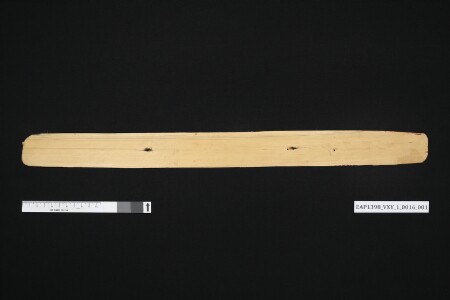
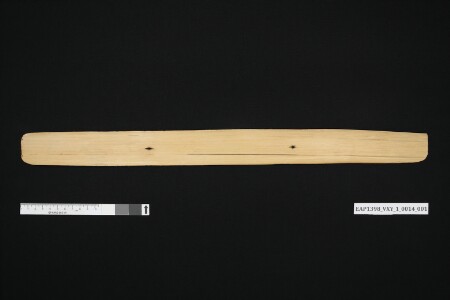
Extent: 1 palm-leaf manuscript containing 28 leaves.
Size and dimensions of original material: Hight 4.6 cm, width 53.5 cm, depth 1.1 cm.
Condition of original material: Good.
Alternative calendar and date: Lao, CS 1265, a ka mao year
Author(s)/Creator(s): Unidentified.
Scribe(s): Unidentified.
Original institution reference: Manuscript Cabinet No.1.