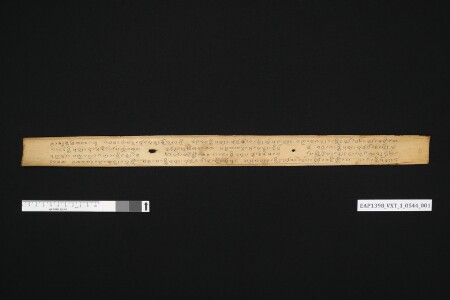

ສອງພຸດທະຮູບ ໝາຍເຖິງ ຜົນລະບຸນທີ່ຈະໄດ້ຮັບຈາກການສ້າງພະພຸດທະຮູບ ເພື່ອເປັນທີ່ຂາບໄຫວ້ສັກກາລະບູຊາແກ່ຄົນທັງຫຼາຍ. ໃນສະໄໝໜຶ່ງ ພະຜູ້ມີພະພາກເຈົ້າ ປະທັບຢູ່ທີ່ວັດເຊຕະວັນ ເມືອງສາວັດຖີ. ວັນໜຶ່ງ ພະເຈົ້າປັດເສນທິໂກສົນພ້ອມດ້ວຍບໍລິວານເຂົ້າເຝົ້າພະພຸດທະອົງ. ເມື່ອພະພຸດທະອົງຕັດວ່າ ພະອົງຈະໄປປະທັບຢູ່ຕາວະຕິງສາສະຫວັນເປັນເວລາສາມເດືອນ. ພະເຈົ້າປັດເສນທະໂກສົນຈຶ່ງຂໍອະນຸຍາດສ້າງພະພຸດທະຮູບ. ເມື່ອໄດ້ຮັບພຸດທານຸຍາດແລ້ວ, ພະເຈົ້າປັດເສນທິໂກສົນໄດ້ສ້າງພະພຸດທະຮູບປາງປະທັບນັ່ງດ້ວຍແກ່ນໄມ້ຈັນແດງ ແລະປະດິດສະຖານໄວ້ເທິງອາສະນະໃນພະຣາຊະວັງ. ພະພຸດທະຮູບອົງນັ້ນເໝືອນດັ່ງມີຊີວິດ. ເມື່ອພະພຸດທະເຈົ້າໄດ້ກັບຈາກສະຫວັນແລ້ວໄດ້ສະເດັດໄປເບິ່ງພະພຸດທະຮູບນັ້ນ ເມື່ອພະພຸດທະເຈົ້າສະເດັດໄປເຖິງ ພະພຸດທະຮູບນັ້ນໄດ້ເຄື່ອນອອກເພື່ອສະແດງຄວາມເຄາລົບ ແຕ່ພະພຸດທະອົງໄດ້ຍົກພະຫັດຊ້າຍຂຶ້ນແລ້ວຕັດວ່າ, ‘ທ່ານຈົ່ງນັ່ງລົງເທີ້ນ’. ຈາກນັ້ນ ພະພຸດທະອົງຈຶ່ງຕັດເທສະນາເລື່ອງອານິສົງການສ້າງພະພຸດທະຮູບໃຫ້ພະຣາຊາຟັງ. ຄໍາລົງທ້າຍ: (໑) ລານທີ ໑໗ ໜ້າ ໒: ບວດແຕ່ນ້ອຍກາຍ ມືກະດ້າງບໍ່ໄດ້ຈັບນົມສາວ. (໒) ລານທີ ໑໘ ໜ້າ ໑: ສີສິດທິບົວຣະບາດ ຈຸນລະສັງກາດຣາຊາໄດ້ ໑໒໙໔ ຕົວ ປີເຕົ່າສັນ ເດືອນ ໑໒ ອອກໃໝ່ ຄໍ່າ ໑ ວັນເສົາ ມື້ກ່າໃຄ້ ຣິດຈະນາແລ້ວຍາມກອງງາຍ ໝາຍມີ ມະຫາສັງຄະຊາຍັດສະປັນຍາ ວັດປາກຄານ ມີໃຈໃສສັດທາເປັນອັນຍິ່ງ ຈຶ່ງໄດ້ສ້າງໜັງສື ສອງພຸດທະຮູບ ຜູກນີ້ໄວ້ກັບສາສະໜາ ພະພຸດທະເຈົ້າ ຕາບຕໍ່ເທົ້າ ໕໐໐໐ ພະວັດສາ ຂໍໃຫ້ຜູ້ຂ້າໄດ້ລ້ຽງລັດຕັດຜະຍາສັບພະຍູຕະຍານການເປັນພະອົງ ໑ ອັນຈັກມາພາຍໜ້ານັ້ນແດ່ກໍ່ຂ້າເທີ້ນ ສຸດທິນັງ ວັດຕະ ເມ ທານັງ ປະລະມັງ ສຸກຂັງ ແລ. (໓) ລານທີ ໑໙ ໜ້າ ໑: ສີສິດທິບົວຣະບາດ ຈຸນລະສັງກາດຣາຊາໄດ້ ໑໒໙໔ ຕົວ ປີເຕົ່າສັນ ເດືອນ ຍີ່ ຂຶ້ນ ໔ ຄໍ່າ ພໍ່າວ່າໄດ້ ວັນສຸກ ມື້ຮັບເປົ້າ ຣິດຈະນາແລ້ວຍາມຕູດຊ້າຍ ເຂົ້າຫາກອງແລງ ໝາຍມີ ມະຫາສັງຄະຊາຍັດສະປັນຍາ ວັດປາກຄານ ໄດ້ມີໃຈໃສສັດທາໄດ້ສ້າງໜັງສື ສັບໄຊ ຜູກນີ້ໄວ້ກັບສາສະໜາ ພະພຸດທະເຈົ້າ ຕາບຕໍ່ເທົ້າ ໕໐໐໐ ພະວັດສາ ຂໍໃຫ້ຜູ້ຂ້າໄດ້ດັ່ງຄໍາມັກຄໍາປາດຖະໜາລ້ຽງລັດຕັດຜະຍາສັບພະຍູຕະຍານການເປັນພະອົງ ໑ ອັນຈັກມາພາຍໜ້ານັ້ນແດ່ກໍ່ຂ້າເທີ້ນ ນິບພານະ ປັດຈະໂຍ ໂຫນຕຸ ໂນ ນິດຈັງ ທຸວັງໆ.
Sòng Phutthahup means the rewards derived from making the Buddha statue and donated it to the monastery. On one occasion, the Buddha was staying in the Jetavana monastery of Savatti. One day, King Pasenadi went to pay homage to the Buddha. When the Buddha announced he would leave for three month in Tavatimsa heaven, the king then asked permission to make an image of him. On being granted permission, the king had a statue carved using sandalwood of the Buddha in the sitting position. It looked exactly like Buddha and it was housed in the place. Upon Lord Buddha’s return from Tavatimsa heaven, he was invited by the king to look at the sandalwood image. When the Buddha arrived the image started to move from the seat and was about to pay homage when the Buddha raised his left hand to stop the figure, saying “You will remain seated”. After that, the Lord Buddha preached a sermon about the merit gained by making Buddha images. Colophons: (1) Folio 17 on the verso side: I was ordained since my early, my hands were rough without touching any girls’ breasts. (2) Folio 18 on the recto side: Sisitthi buarabat Chunlasangkatrasa (CS) 1294, a tao san year, on the first day of the waxing moon of the twelfth lunar month, Saturday, a ka khai day, the writing was accomplished at the time of kòng ngai (between 7.30–9.00 o’clock). Maha Sangkhasa Yatsapannya from Vat Pak Khan had the ardent religious faith to sponsor the making of these manuscript entitled namely Sòng Phutthahūp (Rewards derived from the donation of Buddha images) to support the Teachings of the Buddha to last until the end of 5000 years. May I attain enlightenment and become a Buddha in the future. Sudinnaṃ vatta me dānaṃ paranaṃ sukhaṃ (May the alms that I have already given be a condition to reach Nibbāna which is the greatest bliss). (3) Folio 19 on the recto side: Sisitthi buarabat Chunlasangkatrasa (CS) 1294, a tao san year, on the fourth day of the waxing moon of the second lunar month, Friday, a hap pao day, the writing was accomplished at the time of tut sai (between 12.00–13.30 o’clock). Maha Sangkhasa Yatsapannya from Vat Pak Khan had the ardent religious faith to sponsor the making of these manuscript entitled namely Sap Sai, to support the Teachings of the Buddha to last until the end of 5000 years. May my wishes and desires come true with attaining enlightenment and becoming a Buddha in the future. Nibbāna paccayo hontu no niccaṃ dhuvaṃ dhuvaṃ (May this be a condition for us to reach Nirvana, constantly and certainly).
Extent: 1 palm-leaf manuscript containing 20 leaves.
Size and dimensions of original material: Hight 5 cm, width 59.1 cm, depth 0.8 cm.
Condition of original material: Fragile.
Alternative calendar and date: Lao, CS 1294, a tao san year
Author(s)/Creator(s): Unidentified.
Scribe(s): Unidentified.
Original institution reference: Manuscript Cabinet No.01.