ທໍາມະທາຍາດຫຼື ທໍາມະທາຍາທະສູດ ວ່າດ້ວຍ ທາຍາດແຫ່ງທໍາ. ພະຜູ້ມີພະພາກເຈົ້າຊົງຕັດພະສູດນີ້ແກ່ພະພິກຂຸທັງຫຼາຍ ທີ່ວັດເຊຕະວັນມະຫາວິຫານ. ພະພຸດທະອົງຕັດວ່າ “ດູກ່ອນພິກຂຸທັງຫຼາຍ ທ່ານທັງຫຼາຍຈົ່ງເປັນທໍາມະທາຍາດ ຢ່າເປັນອາມິດສະທາຍາດຂອງເຮົາຕະຖາຄົດເລີຍ”. ຈາກນັ້ນ ພະສາຣີບຸດໄດ້ແຈກແຈງຕໍ່ຈາກພະສາດສະດາ. ພະເຖລະໄດ້ອະທິບາຍກ່ຽວກັບ ອາມິດສະທາຍາດ ແລະທໍາມະທາຍາດ. ພິກຂຸຜູ້ເປັນອາມິດສະທາຍາດ ຍ່ອມຖືກຕໍາໜິ ແລະພິກຂຸຜູ້ເປັນທໍາມະທາຍາດ ຍ່ອມໄດ້ຮັບສັນລະເສີນ. ທໍາອັນລາມົກໄດ້ແກ່ ໂລພະ, ໂທສະ, ຜູກໂກດ, ຣິດສະຫຍາ, ຕະໜີ່, ມາຍາໂອ້ອວດ, ຫົວດື້, ແຂ່ງດີ, ຖືຕົວ, ດູໝິ່ນ, ມົວເມົາ, ເລິນເລີ່, ພິກຂຸອາໄສຂໍ້ປະຕິບັດອັນເປັນທາງສາຍກາງຄື ອະຣິຍະມັກມີອົງ ໘ ເພື່ອລະທໍາອັນລາມົກເຫຼົ່ານີ້.
Dhammadāyāda Sutta – Heirs in the teaching. The Buddha delivered a sermon of this discourse at the Jetavana monastery. The Buddha spoke to the monks, “Bhikkhus, be my heirs in the teaching, not in material things”. Then Sariputta Thera explained after the Buddha. The Venerable related to become hairs in material things and hairs in the teaching. The monk who is an heir in material things would be blamed and the monk who is an heir in the teaching would be praised. The lewd qualities are greed, anger, grudger, envy, stinginess, boastfulness, stubbornness, presumption, arrogance, slander, intoxication, and carelessness. arrogance, and stubbornness. Monks rely on the middle way, the noble eightfold path to abandon those obscene Dhammas.
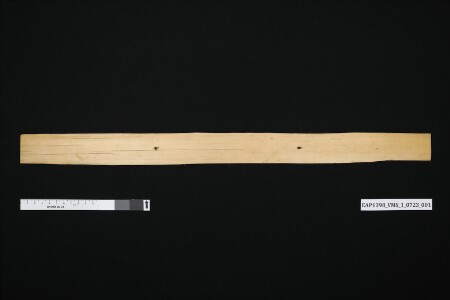
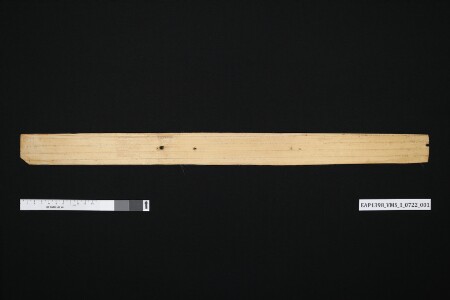
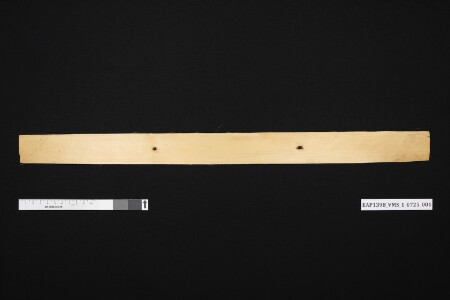
Extent: 1 palm-leaf manuscript containing 19 leaves.
Size and dimensions of original material: Hight 4.5 cm, width 56.1 cm, depth 0.8 cm.
Condition of original material: Some folios are damaged by insects at the left end.
Author(s)/Creator(s): Unidentified.
Scribe(s): Unidentified.
Original institution reference: Manuscript Box no. 10.