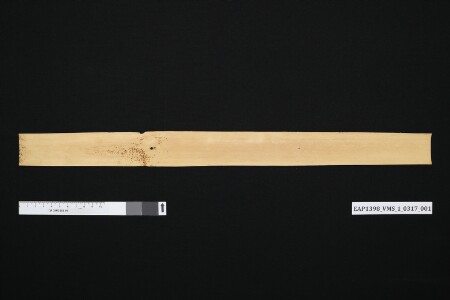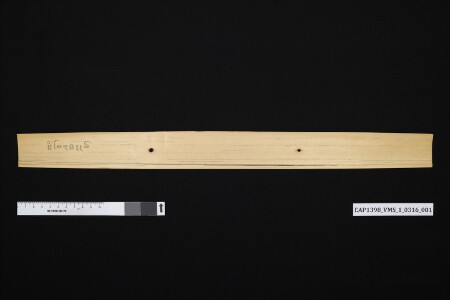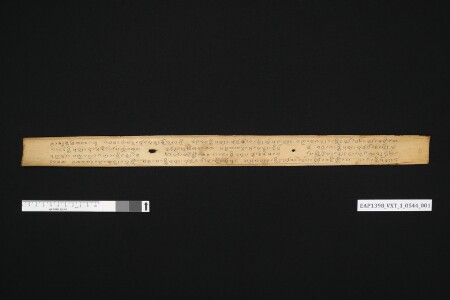

ໜັງສືອານິສົງ ມີ ໖ ເລື່ອງຢູ່ນໍາກັນ ໄດ້ແກ່ ສອງພະພຸດທະຮູບ, ສອງສາລາ, ສອງຂົວ, ສອງວິດ, ສອງກໍ່ແທນພະສີມະຫາໂພ, ແລະສອງສ້າງໜັງສືປິຕະກະ. ສອງພະພຸດທະຮູບ ກ່າວເຖິງ ອານິສົງທີ່ໄດ້ຮັບຈາກການສ້າງພະພຸດທະຮູບ. ສອງສາລາ ກ່າວເຖິງ ອານິສົງທີ່ໄດ້ຮັບຈາກການສ້າງສາລາໃຫ້ແກ່ວັດຫຼືໃຫ້ເປັນຂອງສາທາລະນະ. ສອງຂົວ ກ່າວເຖິງ ອານິສົງທີ່ໄດ້ຮັບຈາກການສ້າງຂົວໃຫ້ເປັນທານແກ່ພະພິກຂຸສົງຍ່າງໄປບິນທະບາດ. ສອງວິດ ກ່າວເຖິງ ອານິສົງທີ່ໄດ້ຮັບຈາກສ້າງຫ້ອງນໍ້າໃຫ້ວັດ. ສອງກໍ່ແທ່ນພະສີມະຫາໂພ ກ່າວເຖິງ ອານິສົງທີ່ໄດ້ຮັບຈາກສ້າງແທ່ນອ້ອມຕົ້ນສີມະຫາໂພຫຼືຕົ້ນໂພ. ສອງສ້າງໜັງສືປິຕະກະ ກ່າວເຖິງ ອານິສົງທີ່ໄດ້ຮັບຈາກສ້າງໜັງສືປິຕະກະ. ຄໍາລົງທ້າຍ: (໑) ລານທີ່ ໒໗ ໜ້າ ໑: ສອງປິດຕະກະ ສົມເດັດພະສັງຄະຣາດ ພຸດທະຊິໂນຣົດ ທໍາມະຍານະ ວັດໃໝ່ ສ້າງໄວ້ໃນພະສາສະໜາ ເມື່ອວັນພຸດ ຂື້ນ ໔ ຄໍ່າ ເດືອນ ໑໐ ປີຮ້ວງເປົ້າ ສວດ ລ່ວງແລ້ວ ໒໕໐໔ ເພື່ອສືບອາຍຸພະສາສະໜາ ຕໍຕໍໄປພາຍໜ້າ ນິບພານັງ ປາຣະມັງ ສຸກຂັງ. (໒) ລານທີ່ ໒໘ ໜ້າ ໑: ສອງພຸດທະຣູບ ສົມເດັດພະສັງຄະຣາດ ພຸດທະຊິໂນຣົດ ທໍາມະຍານະ ວັດໃໝ່ ສ້າງໄວ້ໃນພະສາສະໜາ ເມື່ອວັນພຸດ ຂື້ນ ໔ ຄໍ່າ ເດືອນ ໑໐ ປີຮ້ວງເປົ້າ ສວດ ລ່ວງແລ້ວ ໒ ພັນ ໕ ຮ້ອຍ ໔ (ພສ.໒໕໐໔) ພຸດທະສັງກາດ ເພື່ອສືບອາຍຸພະສາສະໜາ ຕໍຕໍໄປພາຍໜ້າ ນິບພານັງ ປາຣະມັງ ສຸກຂັງ ຈານສຸກ ຜູ້ຂຽນ.
Anisong text. There are 6 stories in this manuscript including Sòng pha phutthahup, Sòng sala, Sòng khua, Sòng vit, Sòng kòthen pha si maha pho, and Sòng sang nangsue pitaka. Sòng pha phutthahup refers to the benefits of creating a Buddha image. Sòng sala refers to the benefits of building a pavilion for a temple or giving it to the public. Sòng khua refers to the rewards derived from the construction of the bridge as a gift to the monks to walk through for collecting alms. Sòng vit refers to the benefits of building a bathroom for a temple. Sòng kòthen pha si maha pho refers to the rewards derived from the construction of a platform around the Bodhi Tree. Sòng sang nangsue pitaka refers to the benefits derived from sponsoring of the making the pitaka manuscript. Colophons: (1) Folio 27 on the recto side: Sòng Pitaka. Somdet Pha Sangkharat (Supreme Patriarch) Phutthasinorot Thammanyana from Vat Mai sponsored the making of this manuscript, in order to support the Teachings of the Buddha. Wednesday, the fourth day of the waxing moon of the tenth lunar month, a huang pao year, BE 2504, in order to support the Teachings of the Buddha to last longer through the future. Nibbāna is the greatest bliss. Colophons: (2) Folio 28 on the recto side: Sòng phutthasup. Somdet Pha Sangkharat (Supreme Patriarch) Phutthasinorot Thammanyana from Vat Mai sponsored the making of this manuscript, in order to support the Teachings of the Buddha. Wednesday, the fourth day of the waxing moon of the tenth lunar month, a huang pao year, BE 2504, in order to support the Teachings of the Buddha to last longer through the future. Nibbāna is the greatest bliss. Chan (ex-monk) Suk is the scribe.
Extent: 1 palm-leaf manuscript containing 29 leaves.
Size and dimensions of original material: Hight 4.5 cm, width 51.2 cm, depth 1.1 cm.
Condition of original material: Good.
Alternative calendar and date: Lao, BE 2504, a huang pao year
Author(s)/Creator(s): Unidentified.
Scribe(s): Chan (ex-monk) Suk from Sangkhalok village.
Original institution reference: Manuscript Box no. 20.