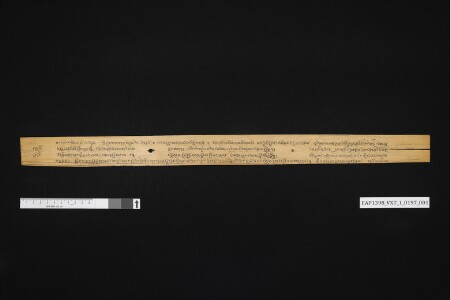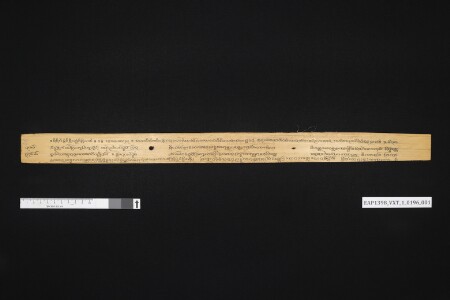

ທຸຕັງຄະວັດ ຫຼື ທຸດົງ ແປວ່າ ຂໍ້ປະຕິບັດເປັນເຄື່ອງກໍາຈັດກິເລດ, ຄຸນສົມບັດຂອງຜູ້ກໍາຈັດກິເລດ, ເປັນຂໍ້ວັດປະຕິບັດທີ່ພະພຸດທະເຈົ້າໄດ້ຊົງອະນຸຍາດໄວ້ ແຕ່ບໍ່ມີການບັງຄັບ ແລ້ວແຕ່ຄວາມສະໝັກໃຈປະຕິບັດ ເປັນອຸບາຍວິທີກໍາຈັດກິເລດຂັດເກົາກິເລດ ເຮັດໃຫ້ເກີດຄວາມມັກນ້ອຍສັນໂດດຫຼາຍຂຶ້ນ. ທຸດົງທີ່ພະພຸດທະເຈົ້າໄດ້ຊົງອະນຸຍາດໄວ້ມີ ໑໓ ວິທີ ຄື ຖືການໃຊ້ຜ້າບັງສຸກຸນເປັນກິດຈະວັດ, ຖືການໃຊ້ຜ້າ ໓ ຜືນເປັນກິດຈະວັດ, ການຖືບິນທະບາດເປັນກິດຈະວັດ, ຖືການບິນທະບາດຕາມລໍາພັງເປັນກິດຈະວັດ, ຖືການນັ່ງສັນອາສະນະດຽວເປັນກິດຈະວັດ, ຖືການສັນສະເພາະໃນບາດເປັນກິດຈະວັດ, ຖືການຫ້າມພັດຕາຫານທີ່ຖວາຍພາຍຫຼັງເປັນກິດຈະວັດ, ຖືການຢູ່ປ່າເປັນກິດຈະວັດ, ຖືຢູ່ໂຄນຕົ້ນໄມ້ເປັນກິດຈະວັດ, ຖືການຢູ່ໃນທີ່ແຈ້ງເປັນວັດ, ຖືການຢູ່ປ່າຊ້າເປັນວັດ, ຖືການຢູ່ໃນເສນາສະນະແລ້ວແຕ່ເຂົາຈັດໃຫ້ເປັນກິດຈະວັດ, ຖືການນັ່ງເປັນກິດຈະວັດ ເຫຼົ່ານີ້ເປັນຕົ້ນ. ຄໍາລົງທ້າຍ: (໑) ລານທີ ໓໕ ໜ້າ ໒: ໄດ້ຂຽນຕາມມູນເກົ່າ ທີ່ຕົກເຫລືອໄດ້ເພີ້ມເຕີມ ໃຫ້ຄ່ອຍພິຈາລະນາໃຫ້ທີເອົາເທີ້ນ. ຄໍາລົງທ້າຍ: (໒) ລານທີ ໓໖ ໜ້າ ໑: ພຸດທະສັງກາດອັນເປັນອະຕິຕະພາບລ່ວງແລ້ວ ໒໔໗໖ ຕົວ ປີກາເຮົ້າ ເດືອນ ໕ ແຮມ ໔ ຄໍ່າ ວັນ ໓ ມື້ກາບສີ ຍາມຕູດຊ້າຍມື້ວັນໄດ້ຣິດຈະນາແລ້ວ ມູນລະສັດທາ ຈານເພົ້າ ສາວຂາມ ທັງສອງຜົວເມຍ ໄດ້ສ້າງ ທຸຕັງຄະວັດ ທັງ ໓ ຜູກນີ້ ໄວ້ກັບສາສະໜາ ພະໂຄຕະມະເຈົ້າ ຕາບຕໍ່ເທົ້າ ໕ ພັນປີ ຂໍຜົນບຸນຍາຣາສີອັນນີ້ຈົງນໍາມາຄໍ້າຊູຝູງຂ້າໄປໄຈວ້ໆ ຕາບເທົ້າເຖິງນິບພານກໍ່ຂ້າເທີ້ນ ອະຫັງ ອະຣະຫັນໂຕ ໂຫມິ ນິດຈັງ ທຸວັງ ທຸວັງ.
Dhutanga vatta or Thudong means the rules or procedures to remove the passion from the mind. They are the practices which given by the Buddha, but without the force, depend on someone who wants to practice. These are the ways to remove the passions, to be less greedy, and be more unambitious. There are 13 thudong which given by the Buddha: observe using of rag-robes as a routines, observe using 3 robes as a routines, observe going for alms as a routines, observe going alone for alms as routines, observe sitting to eat one time per day as a routines, observe eating only inside the alms-bowl as a routines, observe not eating or receiving all the food after mid-day as a routines, observe sleeping in the forest as a routines, observe staying under a big tree as a routines, observe staying in the outdoors area as a routines, observe staying in the cemetery as a routines, observe sleeping on what is given as a routines, and observe sitting in motion as a routines. Colophons: (1) Folio 35 on the verso side: The writing followed along the original version. The missing or over lapping was corrected, please take a consideration. (2) Folio 36 on the recto side: In Buddhist Era (BE) 2476, a ka hao year, on the fourth day of the waning moon of the fifth lunar month, the third day of the week (Tuesday), a kap si day, [the writing was accomplished] at the time of tut sai (between 12.00–13.30 o’clock). Chan Phao and his wife, Sao Kham sponsored the making of these thee manuscript-fascicles [entitled] Thutangkhavat (Dhutanga-vatta) to support the Teachings of Gotama Buddha to last until the end of 5000 years. May the results of this merit support us to last until we enter Nirvana, definitely. Ahaṃ arahanto homi niccam dhuvam (May I attain arahatship, constantly and certainly).
Extent: 1 palm-leaf manuscript containing 38 leaves.
Size and dimensions of original material: Hight 4.4 cm, width 58 cm, depth 1.3 cm.
Condition of original material: Fragile.
Alternative calendar and date: Lao, BE 2476, a ka hao year
Scribe(s): Unidentified.
Original institution reference: Manuscript Cabinet No.1.