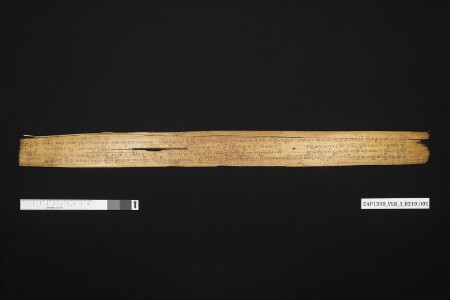

ມູນລະກຶດ ໝາຍເຖິງ ຕົ້ນກໍາເນີດຂອງຄວາມຄິດເລື່ອງຄວາມເຊື່ອກ່ຽວກັບພິທີສໍາລັບຄົນຕາຍແລະການເຜົາສົບ. ເນື້ອໃນເວົ້າເຖິງຈຸດເລີ່ມຕົ້ນຂອງໂລກ ເມື່ອພະພຸດທະເຈົ້າເກີດເປັນກະສັດອົງໜຶ່ງ ຊື່ວ່າ ພະຍາສະມັນຕະຣາດ ຜູ້ປົກຄອງສີ່ຫົວເມືອງ. ພະອົງຊົງຈັດພິທີສົ່ງສະການໃຫ້ຣາຊະດອນແຕກຕ່າງກັນໄປ ຕາມສາເຫດຂອງການຕາຍ ເຊັ່ນ ຜູ້ທີ່ຕາຍຈົມນ້ຳ ພະອົງຈະສົ່ງໃຫ້ທາຮ່າງຂອງຜູ້ຕາຍດ້ວຍຜົງຂະໝິ້ນ ແລະຂີ້ເຖົ່າ ແລ້ວຈຶ່ງຈັດພິທີເຜົາສົບນັ້ນ. ພິທີກໍາສໍາລັບຄົນຕາຍນີ້ຍັງໄດ້ຮັບການປະຕິບັດສືບຕໍ່ກັນມາຈົນເຖິງປັດຈຸບັນ. ຄໍາລົງທ້າຍ: ລານທີ ໑໗ ໜ້າ ໑-໒: ຈຸນລະສັງກາດຣາຊະໄດ້ ໑໒໘໘ ຕົວ ປີເມິ່ງເໝົ້າ ເດືອນ ໕ ຂຶ້ນ ໓ ຄໍ່າ ວັນ ໖ ຣິດຈະນາແລ້ວຍາມທ່ຽງ ໝາຍມີ ເຈົ້າໝ່ອມພັນ ບ້ານນາຄໍາ ໄດ້ມີໃຈໃສສັດທາເປັນອັນຍິ່ງ ຈິ່ງໄດ້ສ້າງ ມູນລະກຶດ ຜູກນີ້ ໄວ້ກັບສາສະໜາພະໂຄຕະມະເຈົ້າ ຕາບຕໍ່ເທົ້າ ໕ ພັນພະວັດສາ ຂໍໃຫ້ໄດ້ເຂົ້າສູ່ນີຣະພານແດ່ກໍ່ຂ້າເທີ້ນ ນິບພານະ ປັດຈະໂຍ ໂຫຕຸ ໂນ.
Munlakuet or Mullaküt (the origin of thought), the belief the rites for the dead and cremation. The text describes about the beginning of the world. When the Lord Buddha was born as a king named Phaya Samantaraja who ruled four cities. The king organized the funeral ceremonies for his populations differently according to causes of their death. For example, the one who died with drowning. The king ordered other people to smear the body with the powder of turmeric and dust, then organized the cremation. The rites for the death have been followed until our days. Colophon: Folio 17 on the recto and verso sides: Chunlasangkat (CS) 1288, a moeng mao year, on the third day of the waxing moon of the fifth lunar month, the sixth day of the week (Friday), the writing was accomplished at noon. Chao Mòm Phan from the village of Nakham had the ardent religious faith to sponsor the making of this manuscript [entitled] Mūnlaküt to support the Teachings of the Buddha to last until the end of 5000 years. May I enter into Nirvana, definitely. Nibbāna paccayo hontu no (May this be a condition for us to reach Nibbāna).
Extent: 1 palm-leaf manuscript containing 17 leaves.
Size and dimensions of original material: Hight 5.4 cm, width 59.5 cm, depth 0.7 cm.
Condition of original material: Fragile.
Alternative calendar and date: Lao, CS 1288, a moeng mao year
Scribe(s): Unidentified.
Original institution reference: Manuscript Cabinet No.1.