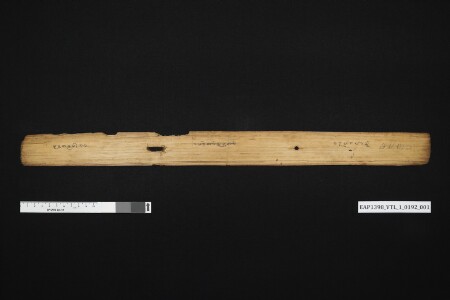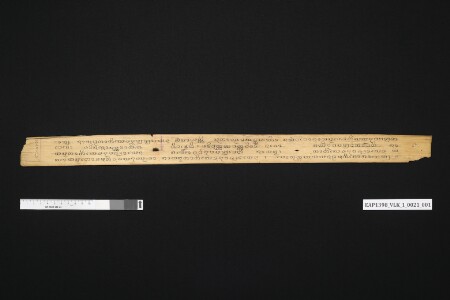

ກໍາມະວາຈາ ເນື້ອໃນສ່ວນຫລາຍຂຽນເປັນພາສາປາລີ ໃນປະກອບພິທີອຸປະສົມບົດ. ໂດຍທົ່ວໄປເວົ້າກ່ຽວກັບຊຸດຄໍາຖາມແລະຄໍາຕອບທີ່ໃຊ້ໃນພິທີອຸປະສົມບົດ (ບວດພະ). ໃນພິທີນັ້ນ ພະພິກຂຸທີ່ກໍາລັງຂໍອຸປະສົມບົດຕ້ອງຕອບຄໍາຖາມ “ແມ່ນ ຫຼື ບໍ່ແມ່ນ” ຫຼາຍຂໍ້ ທີ່ພະຄູ່ສູດຫຼືພະກໍາມະວາຈາຈານແລະພະອະນຸສາວະນາຈານ ຖາມ. ຄໍາລົງທ້າຍ: ລານທີ່ ໙ ໜ້າ ໑: ປັດທະມະມູນລະສັດທາໝາຍມີ ເຈົ້າສຸວັນທອງແລະເຈົ້າອິ່ນຄໍາ ຜົວເມຍ ອົງເປັນບຸດແລະຫລານເຈົ້າຢາຂະມ່ອມ ມະຫາອຸປະຫລາດຫລວງພະບາງ ໄດ້ສ້າງ ກໍາມະວາຈາ ຜູກນີ້ທານໄວ້ໃນສາສະໜາພະໂຄຕະມະເຈົ້າ ຂໍໃຫ້ໄດ້ດັ່ງຄໍາມັກຄໍາປາດຖະໜາສົມດັ່ງມະໂນຣົດທຸກປະການກໍ່ຂ້າເທີ້ນ ນິດຈັງ ນິດຈັງ ທຸວັງ ທຸວັງ.
Kammavaca (the formal words of an act) with the text mostly written in Pali is used for an ordination ceremony. General speaking, the kammavacha (kammavācā) deals with the set of questions and answers which is used in an ordination ceremony. In the ceremony, the ordaining monk must answer several “yes or no” questions posed to him by a monk on his right during a chant called Pha Kammavachanchan (Act-announcing teacher) who faces another monk on the left called Pha Anusavanachan (Ordination proclaiming teacher) .Colophon: Folio 9 on the recto side: The initiators, Prince Suvanthong and his wife, Princess Inkham who were the son and granddaughter of the Great Viceroy of Luang Prabang sponsored the making of this manuscript entitled Kammavacha, to support the Teachings of the Buddha. May our wishes and desires come true constantly and certainly.
Extent: 1 palm-leaf manuscript containing 9 leaves.
Size and dimensions of original material: Hight 4.5 cm, width 56.6 cm, depth 0.5 cm.
Condition of original material: Good.
Author(s)/Creator(s): Unidentified.
Scribe(s): Unidentified.
Original institution reference: Manuscript Cabinet No.9.