
ເນື້ອໃນກ່າວເຖິງ ຄອງປະຕິບັດການຖືສີນແລະຈຳເລີນພາວະນາຂອງຄະລືຫັດ, ການບໍລິກຳຄາຖາພາວະນາສໍາລັບຜູ້ປະຕິບັດຄົນດຽວ ຫຼືຫຼາຍຄົນ. ນອກຈາກນັ້ນ ເນື້ອໃນ ຍັງໄດ້ອະທິບາຍເຖິງ ຄວາມທຸກໃນວັດຕະສົງສານ ໄດ້ແກ່ ການເກີດເປັນທຸກ, ຄວາມແກ່ຊະລາກໍ່ເປັນທຸກ, ຄວາມມີພະຍາດກໍ່ເປັນທຸກ, ຄວາມຕາຍກໍ່ເປັນທຸກ, ການພັດພາກຈາກຄົນທີ່ເປັນທີ່ຮັກທີ່ພໍໃຈກໍ່ເປັນທຸກ ດັ່ງນີ້ເປັນຕົ້ນ. ຄໍາລົງທ້າຍ: ລານທີ່ ໓໑ ໜ້າ ໑: ສັງກາດຣາຊະໄດ້ ໑໒໙໐ ຕົວປີເປິກສີ ເດືອນ ໙ ຂື້ນ ໑໕ ຄໍ່າ ວັນ ໓ ຣິດຈະນາແລ້ວຍາມກອງງາຍ ໝາຍມີ ສາທຸຈັນທະລັງສີ ໄດ້ມີໃຈໃສສັດທາເປັນອັນຍິ່ງ ຈຶ່ງໄດ້ສ້າງໜັງສືວິປັດສະນາ ຜູກນີ້ ໄວ້ກັບສາສະໜາ ພະໂຄຕະມະເຈົ້າ ຕາບຕໍ່ເທົ້າ ໕ ພັນວັດສາ. ຂໍໃຫ້ຜະລະບຸນກຸສົນມາຄໍ້າຊູແມ່ແຫ່ງຜູ້ຂ້າ. ຂໍໃຫ້ຜູ້ຂ້າໄດ້ເຖິງສຸກ ໓ ປະການ ມີນີຣະພານເປັນທີ່ແລ້ວ ຢ່າໄດ້ຄາດແຄ້ວດັ່ງຄໍາມັກຄໍາປາດຖະໜານັ້ນແດ່ກໍ່ຂ້າເທີ້ນ. ນິບພານັງ ປະຣະມັງ ສຸກຂັງ.
The text tells about the way of the moral practices of observing the precepts and meditating for the lay Buddhists. The recitation of the khatha (verse) by heart during the practice for one practitioner and many practitioners. Moreover, the text also tells the suffering in the round of births and deaths such as birth is suffering, old age is suffering, sickness is suffering, death is suffering, separating from what one loves is suffering, etc. Colophon: Folio 31 on the recto side: Sangkatrasa (CS) 1290, a poek si year, the fifteenth day of the waxing moon of the ninth lunar month, the third day of the week (Tuesday), the writing was accomplished at the time of kòng ngai (between 7.30–9.00 o’clock). Sathu (Prince) Chantharangsi had the ardent religious faith to sponsor the making of this manuscript entitled Vipassana, to support the Teachings of Gotama Buddha to last until the end of 5000 years. May the results of this merit support my mother. May I reach the three states of happiness with Nibbāna as the ultimate goal. [May] my wishes not be ignored. Nibbāna is the greatest bliss certainly.
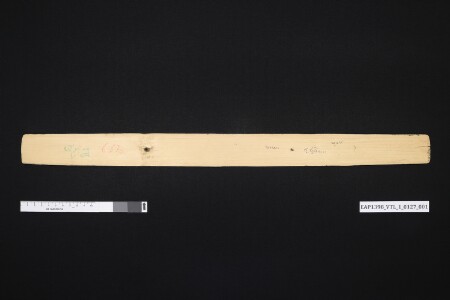
Extent: 1 palm-leaf manuscript containing 32 leaves.
Size and dimensions of original material: Hight 5.1 cm, width 59 cm, depth 1.3 cm.
Condition of original material: Good.
Alternative calendar and date: Lao, CS 1290, a poek si year
Author(s)/Creator(s): Unidentified.
Scribe(s): Unidentified.
Original institution reference: Manuscript Cabinet No.2.