
ຕໍານານພະເຈົ້າລຽບໂລກ ຫຼືຕໍານານການເດີນທາງຂອງພະພຸດທະເຈົ້າ ເປັນວັນນະກໍາທາງພຸດທະສາສະໜາ ທີ່ແຜ່ຫຼາຍໃນເຂດອາຊີອາຄະເນ ມີເນື້ອຫາກ່ຽວກັບການເດີນທາງຂອງພະພຸດທະເຈົ້າໂຄຕະມະສູ່ດິນແດນລ້ານນາ, ອີ່ສານ, ສິບສອງປັນນາ, ລັດຊານຂອງມ່ຽນມາ ແລະລ້ານຊ້າງ. ຕໍານານກ່າວເຖິງສະຖານທີ່, ປະຫວັດສາດ ແລະວັດທະນະທໍາຂອງຊຸມຊົນແລະກຸ່ມຊາດພັນຕ່າງໆ ຕະລອດເສັ້ນທາງທີ່ພະພຸດທະເຈົ້າຊົງສະເດັດໄປເຜີຍແພ່ຄໍາສອນຂອງພະພຸດທະອົງ. ຕໍານາຍັງກ່າວເຖິງ ພະພພຸດທະອົງໄດ້ປະທານພະເກສາ(ເສັ້ນຜົມ)ໃຫ້ແກ່ຊຸມຊົນຕ່າງໆແລະປະທັບຮອຍພະພຸດທະບາດ(ຮອຍຕີນ)ໄວ້ໃນສະຖານທີ່ຕ່າງໆ ທີ່ພະພຸດທະອົງສະເດັດໄປຢາມ. ການສ້າງພະທາດເຈດີແລະວັດທີ່ມີພະສາຣີຣິກະທາດແລະຮອຍພະພຸດທະບາດໃນສະຖານທີ່ເຫຼົ່ານີ້ແມ່ນເກີດຂຶ້ນຈາກຕໍານານ. ຜູກທີ່ ໘ ກ່າວເຖິງ ພະພຸດທະອົງຊົງປາບພະຍາຍັກ ຊື່ວ່າ ພະຍາອະລະວະກະຍັກ ໃນເມືອງອາລະວີ ແລະຊົງຈໍາພັນສາຢູ່ອັງຄານເຈດີ ດອຍໂລຫະກຸຕະຣະ ຕາມຄໍາອາຣາທະນາຂອງພະຍາອາລະວີ.
Tamnan Pha Chao Liap Lok or the legend of the Buddha’s journeys is a Buddhist literature that is prevalent in Southeast Asia. It is a story of the Buddha’s journeys to Lanna, Isan, Xishuangbanna, Shan State, and Lan Xang region. The legend explains the geography, history and culture of various communities and ethnic groups along the route the Buddha took in his journeys to disseminate his teachings. The legend also says that the Buddha gave some of his hair to various communities and left the footprints in places he visited. The creation of stupas and temples containing the Buddha’s relics and footprints in these places sprang from the legend. This eighth fascicle tells the Buddha subdued a giant king named Alavaka in Alavi kingdom and stayed at Angkhara stupa on the Mount of Lohakutara through the rainy-season along the invitation of the king of Alavi.
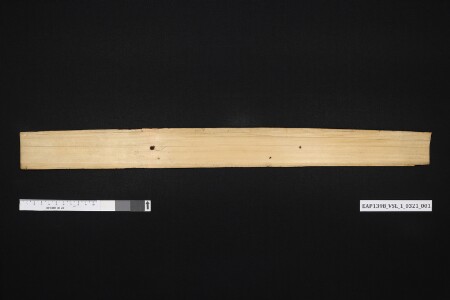
Extent: 1 palm-leaf manuscript containing 25 leaves.
Size and dimensions of original material: Hight 5.4 cm, width 55.1 cm, depth 1 cm.
Condition of original material: Good.
Author(s)/Creator(s): Unidentified.
Scribe(s): Unidentified.
Original institution reference: Glass Cabinet No.5.