Aims and objectives
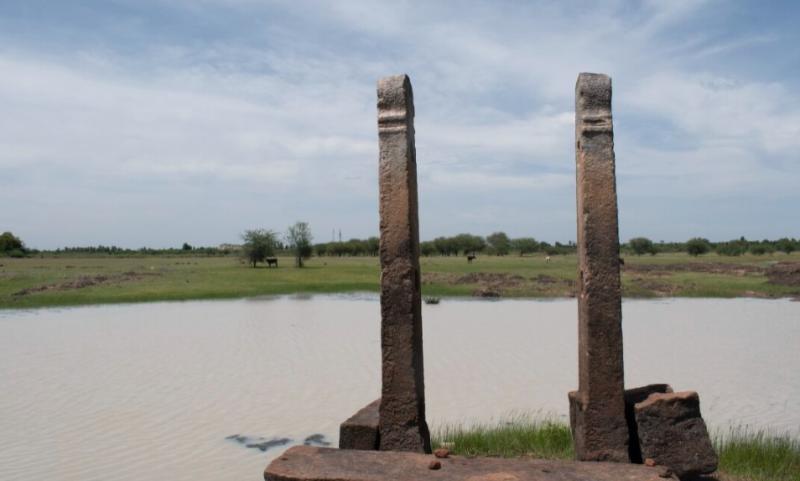
The project documented and digitized the ancient sluices associated with irrigation tanks in a wider geographical area of Tamil Nadu. Sluices with inscriptions installed in ancient irrigation tanks between 6th and 16th century CE in Tamil Nadu transformed the entire landscape. The study of sluice inscriptions provides a glimpse of technology-oriented water management system and the social process that happened due to the introduction of new hydro technology. It provides ample scope to understand the history, irrigational techniques, water management, social structure, rituals and other cultural aspects associated with the sluices. The documentation, decipherment and digitisation of the sluice inscriptions provides scope to understand the historical context and the history of science and technology.
Outcomes
The documentation and digitization of the ancient sluices and sluice inscriptions associated with irrigation tanks in Tamil Nadu were initiated and 221 sluice inscriptions were documented covering the period from the 6th century CE to the 19th century CE. The historical and technological significance of the hydraulic device has been identified. The true meaning of the technical terms such as kumili (sluice), madai (sluice), tumbu (conduit), kal (sluice pillar), vay (channel mouth), sattukkal (retaining slab), akamadai (internal basin), puramadai (external basin), mindakam (cross-bar), cerodi (sledge-remover), etc., associated with sluice and the terms such as nirkovai, kulakkovai, kulattunirkkovai, kulattukku nirkovai, kalingu, karai, etc., associated with tank have been discerned from the inscriptions. The identification of the catchment area, feeding channels, water spread area, water holding capacity of the tank, ritual associated with the tanks, etc provided a unique opportunity to historians, archaeologists, epigraphists, linguists, environmentalists, anthropologists and sociologists to understand the social transformation that happened in medieval Tamil Nadu. The emergence of various ethnic groups and their rise in social hierarchy due to irrigation technology could be discerned from the establishment of the sluices in the irrigation tanks and land-holding pattern associated with the tanks.