Aims and objectives
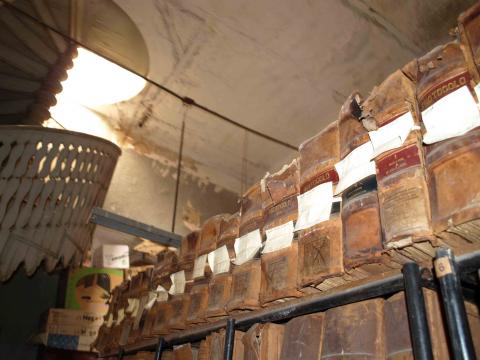
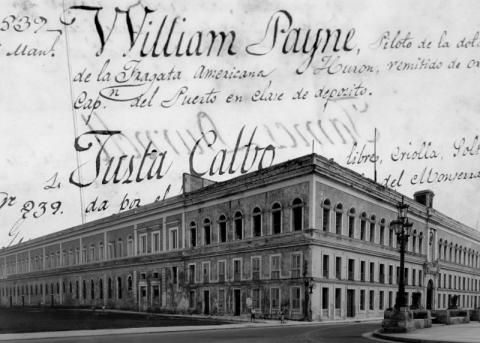
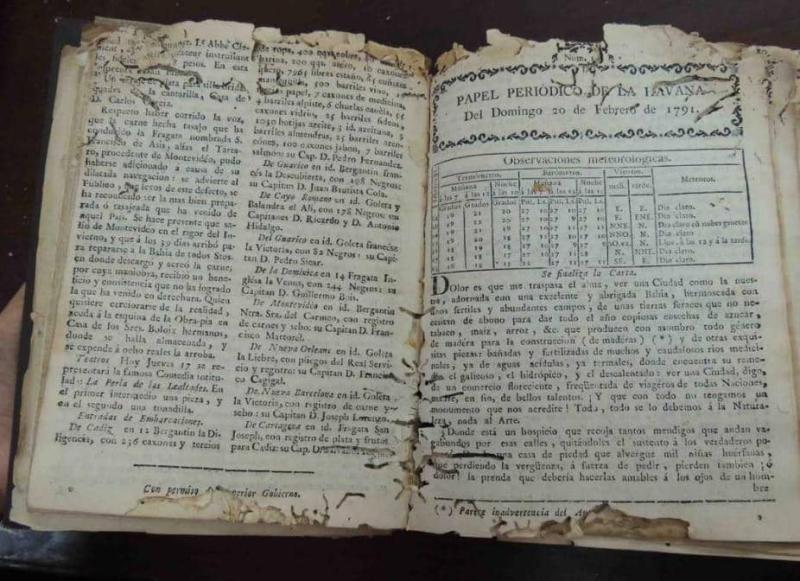
This Pilot project will study 19th-century manuscripts and printed documents originally held in the Library and Historical Archives of the University of Havana, the National Library of Cuba and Cuba's Oldest Library (part of the Institute of Literature and Linguistics). Among the documents are types of blood purity tests to determine ancestry, freedom bonds, authorisations for slave owners to allow enslaved people to study at university, university enrolment records, transcripts, financial aid, pictures of academic events and activities, annual reports, theses, university publications, magazines and newspapers. The periodical material includes issues of Faro, the first Cuban newspaper written by descendants of enslaved people, and copies of Minerva, the first Cuban magazine founded by and dedicated to Black women.
The participation of enslaved people and their descendants has been widely discussed in economic and political terms, reinforced and explained in depth by their participation in the wars of liberation and the political configurations of the colonial and republican periods. This collection will allow historians to trace the presence and contribution of Africans and their descendants to academic and intellectual life in the 19th century.