Aims and objectives
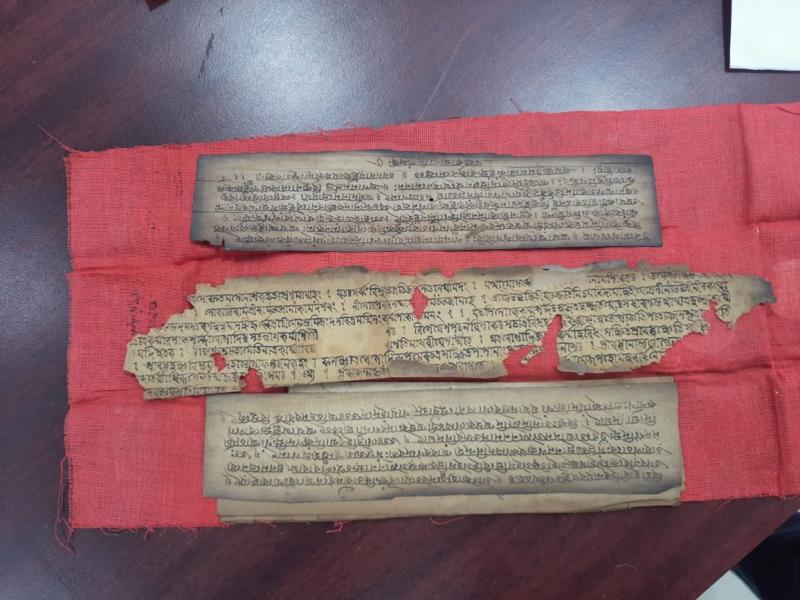
This project aims to digitally preserve and survey magical and ritual manuscripts produced and maintained by various yogic and Tantric practitioners and groups in Assam, India. Manuscript authors are often anonymous but include members of families from the major Kamakhya pilgrimage centre in Guwahati, and practitioners from villages across rural Assam. Manuscript dates range from pre-18th century to early/mid-20th century. The language is Sanskrit, written in Assamese or Bengali script.
Assam is an important region in the history of Śāktism (Hindu goddess traditions), Tantra (embodied mysticism) and folk magic in South Asia. The historical region of Kamarupa, and the Kamakhya temple complex located there, is among the oldest and most important sites of Śākta Tantra. However, relatively little study has been done on Tantra in the region, with little attention focused on relevant Assamese manuscripts. Few have survived, been located or digitised, or are otherwise available for research. These materials are crucial for understanding the development of Śāktism, Tantra and folk magic in the region, and their contribution to South Asian history. Additionally, this material presents an opportunity to study both major Sanskritic temple traditions and vernacular village traditions. Little is known or has been documented about these vernacular traditions and their interaction with major Sanskritic ones. Any documentation collected for study will be extremely valuable.