
Aims and objectives
The aim of this pilot project was to identify, document, and assess endangered manuscript collections in the Jimma and Limmu Saqqa zones of southwest Ethiopia regions known for their rich Islamic intellectual heritage. The project sought to survey between 100 and 110 manuscripts, recording inventory on their content, condition, language, script, and provenance. A key objective was to evaluate the physical state of each manuscript to prioritize future conservation and digitisation needs. In addition to the technical survey, the project focused on raising awareness among local communities about the significance of these collections and the urgent need to safeguard them.Training workshops were conducted for manuscript custodians, religious leaders, and local tourism officials, providing practical knowledge on handling, storage, and basic preservation techniques using locally available materials. These sessions fostered community ownership and laid the foundation for sustainable stewardship. Overall, this initiative was designed as a strategic foundation for a future large-scale digitisation programme. It bridges the gap between heritage documentation and digital preservation by combining structured fieldwork, community engagement, and knowledge transfer. The project also enhances local capacity and prepares stakeholders for more advanced interventions, ensuring long-term accessibility and cultural continuity of Ethiopia’s endangered manuscript traditions.
Outcomes
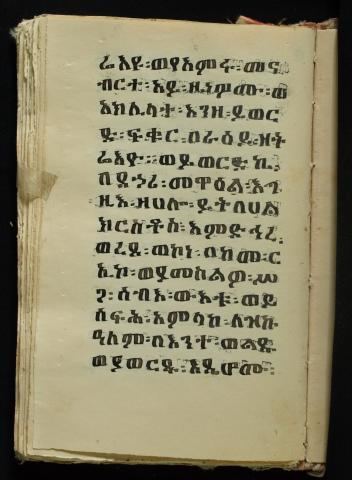
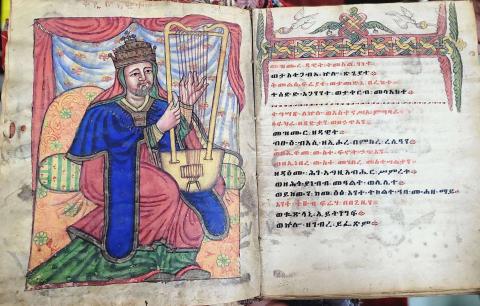
The project successfully surveyed 114 manuscripts across four major collection centers in the Jimma and Limmu Saqqa zones of southwest Ethiopia: Shekkota Hajj Bushra (40 manuscripts), Shekkota Abba Jebal (47), Shekkota Hajj Jamal Ali (15), and Abba Fajji (12). These collections encompass a wide array of genres, including Qur’anic exegesis, Islamic jurisprudence (fiqh), prophetic praise poetry (madḥ), astronomy, herbal medicine, and Afan Oromo Ajami manuscripts. In addition to theological and instructional texts, the team identified valuable archival materials, such as personal correspondence during the early 20th century between scholars and local rulers, offering rare insight into the intellectual and political networks of the period. Physical condition assessments were completed for all items, with particularly fragile manuscripts earmarked as high priority for future digitisation and conservation. Although full-scale digitisation was deferred in consultation with the EAP team, sample digitisation was demonstrated to custodians as part of training activities. The project also delivered targeted capacity-building sessions for manuscript custodians, tourism officials, and local elders, focusing on basic conservation techniques and preservation awareness. These efforts have strengthened local commitment and laid a foundation for sustainable heritage protection in future phases.
The following survey was submitted as part of the project outputs: