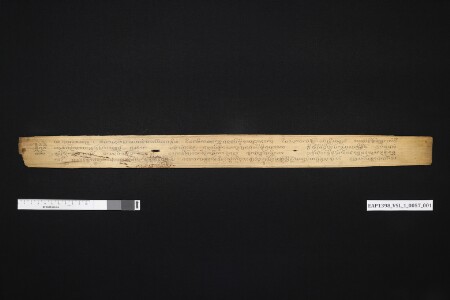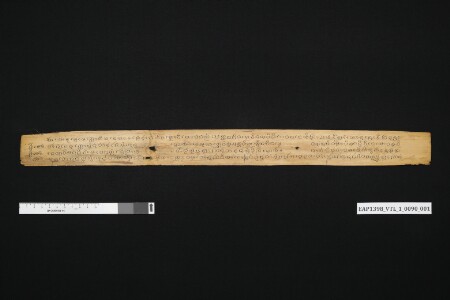

ສອງເຂົ້າກໍາ ໝາຍເຖິງ ອານິສົງທີ່ໄດ້ຈາກການຖວາຍທານແກ່ພະພິກຂຸສົງທີ່ກໍາລັງເຂົ້າກໍາຫຼືຢູ່ກໍາ. ການເຂົ້າກໍາຫຼືເຂົ້າປະຣິວາສະກໍາ ເປັນລະບຽບປະຕິບັດສໍາລັບການອອກຈາກຄະຣຸກາບັດ (ອາບັດໜັກ) ຂອງພິກຂຸຜູ້ຕ້ອງອາບັດສັງຄາທິເສດແລ້ວປົກປິດໄວ້ ຈະຕ້ອງປະພຶດເປັນການລົງໂທດຕົນເອງຊົດໃຊ້ໃຫ້ຄົບເທົ່າຈໍານວນວັນທີ່ປິດອາບັດ ກ່ອນທີ່ຈະປະພຶດມານັດເພື່ອອອກຈາກອາບັດຕໍ່ໄປ. ຕາມຄໍາສອນຂອງພະພຸດທະເຈົ້າ ຜູ້ທີ່ຖວາຍທານແກ່ພິກຂຸສົງທີ່ກໍາລັງເຂົ້າກໍານັ້ນຈະໄດ້ຮັບບຸນຫຼາຍ ແລະຜູ້ທີ່ສ້າງຕູບກໍາຫຼືຖວາຍອາຫານແກ່ພະສົງເຫຼົ່ານັ້ນ ກໍ່ຈະໄດ້ບຸນຫຼາຍເຊັ່ນກັນ. ເມື່ອສິ້ນຊີວິດຈາກໂລກນີ້ແລ້ວ ຈະໄດ້ໄປເກດີເປັນເທວະດາແລະພະຍາອິນ ສະເຫວີຍທິບພະສົມບັດ. ເມື່ອໝົດອາຍຸໄຂຈາກສະຫວັນກໍ່ຈະໄດ້ກັບມາເກີດໃນໂລກມະນຸດອີກແລະໄດ້ເປັນພະເຈົ້າຈັກກະພັດ. ຄໍາລົງທ້າຍ: ລານທີ່ ໑໑ ໜ້າ ໑: ມະຫາສັງກາດໄດ້ ໑໒໔໒ ຕົວ ປີກົດສີ່ ເດືອນ ໘ ແຮມ ໕ ຄໍ່າ ວັນ ໗ ມື້ຮວາຍສີ່ ຣິດຈະນາແລ້ວຍາມແຖໃກ້ທ່ຽງ ໝາຍມີ ສາທຸພໍ່ເຖົ້າອຸ່ນເຮືອນ ເປັນເຄົ້າ ເປັນປະທານ ມີທັງລູກເຕົ້າຊູ່ຄົນ ຈິ່ງມີໃຈໃສສັດທາເປັນອັນຍິ່ງ ຈິ່ງໄດ້ພ້ອມກັນສ້າງ ສັບພະສອງ ໄວ້ກັບສາສະໜາພະໂຄຕະມະເຈົ້າ ຕາບຕໍ່ເທົ້າ ໕໐໐໐ ພະວັດສາ. ຂໍໃຫ້ຜູ້ຂ້າໄດ້ດັ່ງຄໍາມັກຄໍາປາດຖະໜາ ອັນ ໑ ຂໍໃຫ້ກຸສົນສ່ວນບຸນອັນນີ້ໄດ້ໄປເຖິງພໍ່ແມ່ພີ່ນ້ອງທຸກຄົນ ອັນ ໑ ຂໍຜູ້ຂ້າໄດ້ເຖິງສຸກ ໓ ປະການມີນິບພານເປັນທີ່ແລ້ວກໍ່ຂ້າເທີ້ນ ນິບພານະ ປັດໄຈໂຍ ໂຫນຕຸ ໂນ.
Sòng khao kam means the rewards derived from offering the alms to the monk who is in probation. The practice of parivasa (probation) is a rule of conduct for releasing from the major offences. The monk who had committed any of the Sanghadisesa and then concealed it must behave as a punishment for himself equal to the number of days of penal closure, before conducting manat, which is the normal procedure of leaving the offence. According to the teaching of the Buddha, those who give offerings to the monk who is practicing the parivasakam (probation) retreat will obtain much merit. Those who built an abode or offered food to the monk also will gain a lot of merit. After death, they will be born as devas and Indra in the heaven and enjoy the heavenly prosperity. After the heaven, they will be born in the human world again and become the mighty kings. Colophon: Folio 11 on the recto side: Mahasangkat 1242, a kot si year, the fifth day of the waning moon of the eighth lunar month, the seventh day of the week (Saturday), a hwai si day. The writing was accomplished at the time of the thae kai thiang (between 9.00-10.30 o’clock). Sathu Phò Thao Unhuean is the initiator along with all his children had the ardent religious faith to sponsor the making of this manuscript entitled Sappha sòng for the Teachings of Gotama Buddha to last until the end of 5000 years. May we achieve all our wishes and desires. On the othe hand, may the results of this merit support all our parents and relatives. Moreover, may we reach the three states of happiness with Nibbāna as the ultimate goal. May this be a condition for us to reach Nibbāna.
Extent: 1 palm-leaf manuscript containing 19 leaves.
Size and dimensions of original material: Hight 4.1 cm, width 54.4 cm, depth 0.5 cm.
Condition of original material: Good.
Alternative calendar and date: Lao, CS 1242, a kot si year
Author(s)/Creator(s): Unidentified.
Scribe(s): Unidentified.
Original institution reference: Manuscript Box no. 6.