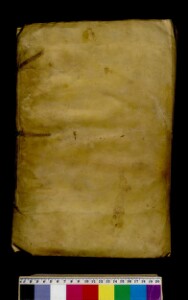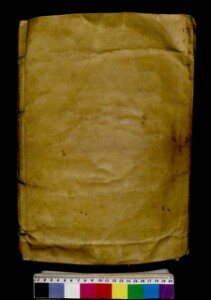
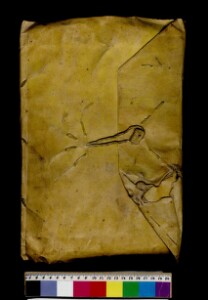
Manuscript book with 134 files referring to the doctrines of Mansiche, San Cruz, San Marcos, Celendín, Chillinquín, Contumazá, San Pablo, etc. The documentation offers varied and rich information about the indigenous population: provisions about the mita (personal service), residence and life in the Spanish estancias, land disputes, conduct of the corregidores, interaction with the doctrinal fathers, etc. Likewise, the documentation is nourished in royal certificates, provisions (copies and originals) of different viceroys (Francisco de Toledo, García Hurtado de Mendoza, Príncipe de Esquilache, etc.). Among the miscellaneous documentation from central or southern Peru, the book contains information on the doctrine in Chinchaychocha (1570); Tarma, Carhuamayo, Ninacaca, Huancabamba (1750); Jauja Valley (current Mantaro-Junín Valley) or over the Collaguas (from the end of the 16th century). Examples of documentation of interest in the aforementioned topics: ecclesiastical visit and report on the estates and lands of Spaniards in the region of Celendín (present-day Cajamarca) from 1591; a writing by the indigenous notary public Diego Guamantay that deals with an inventory of the church in Contumazá and includes a register of Indians in 1696.
Libro manuscrito con 134 expedientes referentes a las doctrinas de Mansiche, San Cruz, San Marcos, Celendín, Chillinquín, Contumazá, San Pablo, etc. La documentación ofrece variada y rica información sobre la población indígena: provisiones acerca de la mita (servicio personal), residencia y vida en las estancias de españoles, pleitos por tierras, conducta de los corregidores, interacción con los padres doctrineros, etc. Asimismo, la documentación es nutrida en cédulas reales, provisiones (copias y originales) de diferentes virreyes (Francisco de Toledo, García Hurtado de Mendoza, Príncipe de Esquilache, etc.). Entre la documentación miscelánea del centro o sur del Perú, el libro contiene información sobre la doctrina en Chinchaychocha (1570); Tarma, Carhuamayo, Ninacaca, Huancabamba (1750); Valle de Jauja (actual Valle del Mantaro-Junín) o sobre los Collaguas (de fines del s. XVI). Ejemplos de documentación de interés en las temáticas mencionadas: visita eclesiástica e informe sobre la estancias y tierras de españoles en la región de Celendín (actual Cajamarca) de 1591,; un escrito del escribano de cabildo indígena Diego Guamantay que trata de un inventario de la iglesia en Contumazá e incluye un padrón de indios en 1696.
Extent: 623 folios.