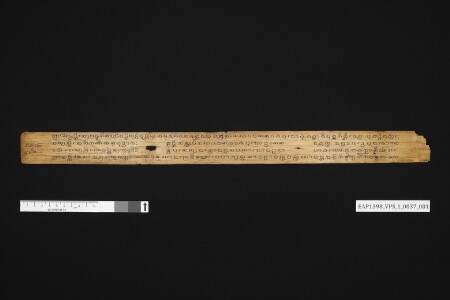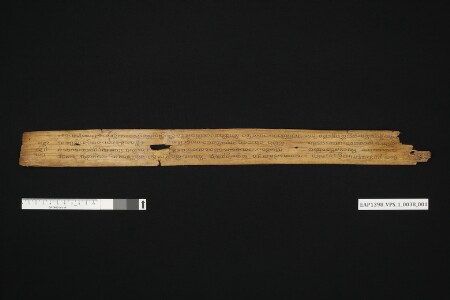

ສັດທາ ຫຼືສັດທະວິມະລະ ເນື້ອໃນຂຽນເປັນພາສາບາລີ ກ່າວເຖິງ ຄຸນຂອງພະພຸດທະເຈົ້າ ໕໖ ປະການ, ຄຸນຂອງພະທໍາມະເຈົ້າ ໓໘ ປະການ ແລະຄຸນຂອງພະສັງຄະເຈົ້າ ໑໔ ປະການ ໂຮມເປັນ ໑໐໘ ປະການ ທີ່ສະຖິດຢູ່ໃນອົງພະອະຣິຍະບຸກຄົນ ໘ ຈໍາພວກ. ການບວດເປັນສາມະເນນຫຼືພິກຂຸສົງ ແຕ່ບໍ່ຮັກສາສີນໃຫ້ບໍລິສຸດແລະບໍ່ໄດ້ເມດຕາພາວະນາ ຊື່ວ່າ ບໍ່ຮູ້ຄຸນພໍ່ແມ່ ເມື່ອຕາຍໄປຕ້ອງໄປຕົກນະຮົກ. ກຸສົນຄື ທານ, ສີນ ແລະພາວະນາ ເປັນເໝືອນຊ້າງເຜືອກທີ່ນໍາສັດໄປເກີດເປັນສຸກໃນເມືອງຄົນ, ເມືອງຟ້າແລະນີລະພານ. ການສູດພະອະພິທໍາທັງ ໗ ຄໍາພີໃຫ້ຜູ້ຕາຍ ຈະຊ່ວຍປົດເປື້ອງບາບໃຫ້ຜູ້ຕາຍ. ບາບທັງ ໔ ໄດ້ແກ່ ອະວິດຊາ, ຕັນຫາ, ອຸປາທານ ແລະກໍາ. ທຸລະຂອງພິກຂຸ ໒ ປະການໄດ້ແກ່ ຄັນທະທຸລະແລະວິປັດສະນາທຸລະ. ອະທິບາຍຄວາໝາຍຂອງອັກຂະຣະ ໕ ໂຕ ໄດ້ແກ່ ນະ ໂມ ພຸດ ທາ ຍະ. ຕອນປາຍຂອງຄໍາພີນີ້ກ່າວເຖິງ ພະມະຫາກັດຈາຍນະເຖລະໄດ້ແຕ່ງຄໍາພີສັດທະ ເປັນ ໘ ຄໍາພີໄດ້ແກ່ ສັນທິ, ນາມ, ກາຣົກ, ສະມາດ, ຕັດທິດ, ອາຂະຍາດ, ພິຕະພະແລະອຸນາທິ ແລະຄໍາພີສັດທະວິມະລະນີ້. ປູ່ສັງກະສາຍ່າສັງກະສີປັ້ນຮູບສັດໃຫ້ລູກຫຼິ້ນແລະກາຍເປັນສັດ ໑໒ ເຊື້ອເຊິ່ງເປັນຊື່ປີ ໑໒ ນັກສັດໃນປັດຈຸບັນ. ຄໍາລົງທ້າຍ: ລານທີ ໓໐ ໜ້າ ໑: ສັງກາດ ໑໒໕໒ ຕົວ ປີກົດຍີ່ ເດືອນ ໙ ແຮມ ໓ ຄໍ່າ ພໍ່າວ່າໄດ້ວັນອັງຄານ ມື້ຮວາຍເສັດ ຣິດຈະນາແລ້ວຍາມຕູດຊ້າຍເຂົ້າຫາກອງແລງ ໝາຍມີ ເຈົ້າຢໍາຂະໝ່ອມອົງເປັນພະຣາຊະບຸດຕະສົມເດັດພະເປັນເຈົ້າບໍຣົມມະເສດຖາຂັດຕິຍະສຸຣິຍະ ພະຣາຊະວົງສາກົມພະຣາຊະວັງບໍວໍລະສະຖານມຸງຄຸນ ນະຣາທິປັດຕິສີສຸວັນນະຫໍຄໍາຝ່າຍຫລັງເປັນເຄົ້າເປັນເຫງົ້າກວ່າມູນລະສັດທາກັບທັງຣາຊະກັນຍາແລະຣາຊະບຸດຕາຣາຊະບຸດຕີແລະຣາຊະນັດຕາ ຣາຊະວົງສາໝູ່ພີ່ນ້ອງ ເຊື້ອຊາດຫ້ອງພັນທຸຣາ ຣໍາເພີງຫາຍັງຄຸນພະພະແກ້ວ ອັນເປັນໂກຖາກແລ້ວແຫ່ງນາບຸນອັນເປັນມະຫັນຕະໂກສົນອັນລໍ້າຍິ່ງ ຈິ່ງໄດ້ມີພະຣາຊະສັດທາ ພິຣົມມະຊາໃສໃນພະຣາຊະຫຶຣະໄທເຫລື້ອມໃສໃນວໍຣະພະພຸດທະສາສະໜາເປັນອັນຍິ່ງ ຈິ່ງສ້າງ ສູດມົນ ຜູກ ໔ ໄວ້ກັບໂຊຕະນະພະພຸດທະໂຄດົມບຸຣົມມະຄູເຈົ້າ ຕາບຕໍ່ເທົ້າ ໕໐໐໐ ພະວັດສາ ນິບພານະ ປັດຈະໂຍ ໂຫຕຸ ສາທຸ ສຸດທິນັງ ວັດຕະ ເມ ທານັງ ປະຣິສຸດທັງ ນິບພານັງ ປະຣະມັງ ສຸກຂັງ ນິດຈັງ ທຸວັງ ທຸວັງ.
Saddavimala, the text written in Pali tells about the virtues of a Buddha comprise of 56, the virtues of the Dhamma include 38, and the virtues of the Sangha include 14 expanding into 108 and existing in the body of the group of eight Ariya-puggala (noble individuals). Being a novice or monk, but not keeping the precepts pure and not practicing meditation is called not knowing the virtues of parents. After death, he will go to hell. Wholesome like the gift, precepts and mediation are like white elephants who lead creatures to be born happily in the world, the heavens and Nirvana. Reciting the 7 scriptures of the Abhidhamma for the deceased will help to remove the sins of the deceased. The 4 sins are Avijjā, Tanhā, Upadāna and Karma. There are 2 burdens of monks, namely, ganthā-dhura and Vipassanā-dhura. Explaination of the meaning of the 5 letters, namely na mo bud dhā ya. The last part of the manuscript tells about Venerable Maha Kaccayana Thera composed the 8 scriptures namely Sandhi, Nāma, Kāraka, Samāsa, Taddhita, Akhayāta, Kitaka and Unādi. Grandfather Sangkasa and grandmother Sangkasi made animal shapes for their children to play. But they become 12 kinds of animals which are the names of the 12 zodiac years in present days Colophon: Folio 30 on the recto side: Chunlasangkat (CS) 1252, a kot nyi year, on the third day of the waning moon of the ninth lunar month, a Tuesday, a hwai set day, the writing was accomplished at the time of tut sai (between 12.00–13.30 o’clock). The royal son of the royal king, who lived in the golden palace on the back side, is the initiator along with his wife, children, grandchildren and all relatives thought of the virtues of the Triple Gem which is the field of merit, had the most ardent religious faith in the Buddha’s Teachings and kindness to sponsor the making of the Buddhist scripture [entitled] Pha Viphangkhathatu (Dhātu-vibhaṅga) to support the Teachings of Gotama Buddha to last until the end of 5000 years. Nibbāna paccayo hontu (May this be a condition to reach Nibbāna). Sadhu (Amen!). Sudinnaṃ vatta me dānaṃ parisuddhaṃ nibbānaṃ paranaṃ sukhaṃ niccaṃ dhuvaṃ dhuvaṃ (May the alms that I have already given is pure be a condition to reach Nibbāna which is the greatest bliss constantly and certainly)..
Extent: 1 palm-leaf manuscript containing 31 leaves.
Size and dimensions of original material: Hight 4.8 cm, width 58 cm, depth 1.2 cm.
Condition of original material: Good.
Alternative calendar and date: Lao, CS 1252, a kot nyi year
Scribe(s): Unidentified.
Original institution reference: Manuscript Cabinet No.1.